
Soups & Stews
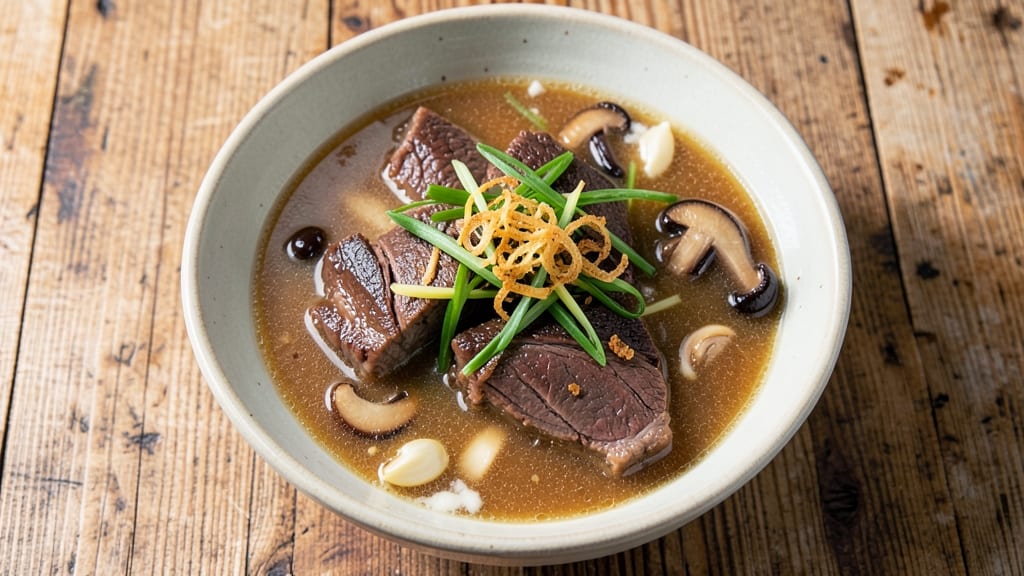
This beef miso soup recipe delivers the perfect balance of tender beef, silky noodles, and a deeply umami broth that warms the soul. The secret lies in slow-simmered beef stock infused with fermented miso paste, creating layers of savory complexity without overpowering the delicate flavors.
I’ve refined this recipe over years of testing—each ingredient plays a role in building that rich, comforting bowl.
The process starts with a simple yet transformative broth: beef bones and aromatics simmered until the collagen dissolves into a velvety foundation. Miso paste, added at the end, dissolves smoothly for a bright, fermented depth that ties everything together.
Tender beef slices and silky noodles complete the dish, ensuring every spoonful is both hearty and refined.
What you’ll achieve is a soup that’s tender in texture yet bold in flavor—a perfect starter or light main course. The miso’s umami richness pairs beautifully with the beef’s natural sweetness, while the noodles soak up every drop of that luxurious broth.
Serve with steamed rice to stretch the meal further or enjoy as-is for a deeply satisfying experience.
This recipe is designed for balance: rich enough to feel indulgent, yet light enough for any meal. The technique is straightforward, but the result is anything but ordinary. Let’s create a bowl that feels like a hug in soup form.
Ingredients for beef miso soup
Rich umami broth meets silky noodles and tender beef in this soul-warming bowl.
| Ingredient | Amount | Notes |
|---|---|---|
| Beef Bones 🦴 | 2 lb | Marrow or knuckle bones preferred |
| White Miso Paste 🧈 | ¼ cup | High-quality, fermented miso |
| Fresh Ginger 🧄 | 1 inch | Peeled, sliced thinly |
| Green Onions 🧅 | 2 whole | White and green parts separated |
| Garlic Cloves 🧄 | 4 cloves | Peeled, smashed slightly |
| Dried Shiitake Mushrooms 🍄 | 4 whole | Rehydrated in warm water |
| Silken Tofu 🧈 | 8 oz | Cut into small cubes |
| Beef Tenderloin 🥩 | 1 lb | Thinly sliced against grain |
| Rice Noodles 🍜 | 8 oz | Dried, medium width |
| Dashi Powder 🍵 | 1 tbsp | Or kombu and bonito flakes |
| Sesame Oil 🫒 | 1 tbsp | Toasted for aroma |
| Soy Sauce 🥄 | 2 tbsp | Light or regular |
| Sesame Seeds 🌾 | 1 tbsp | Toasted for garnish |
| Water 💧 | 8 cups | Filtered preferred |
| Salt 🧂 | 1 tsp | Adjust to taste |
The beef bones are the foundation—look for marrow or knuckle bones at specialty butchers or Asian markets for maximum collagen. Costco often carries them in the frozen section if your local store doesn't stock them. Fresh ginger should have vibrant color and firm texture; avoid any with soft spots or mold. The white miso paste is crucial—Marukome brand is widely available and delivers consistent quality. For the shiitake mushrooms, dried is ideal as they concentrate flavor, but fresh will work in a pinch if rehydrated properly. The beef tenderloin should be thinly sliced against the grain for that signature tender texture.
No dashi powder? Make your own with kombu and bonito flakes—simmer 1 piece kombu and 1 tbsp bonito in 2 cups hot water for 10 minutes, then strain. Running short on sesame oil? Toast regular sesame seeds in a dry pan first for similar aroma. The soy sauce can be swapped for tamari if needed, but light soy has the best balance of salt and umami. For the ginger, if you only have powdered, use half the amount—but fresh is worth hunting down for that bright, zesty kick. The rice noodles should be medium width for perfect texture; Vietnamese or Thai brands work best if you're buying dried.
This soup tastes even better the next day as flavors meld. Store the broth separately in the fridge for up to 5 days—reheat gently before adding fresh noodles and beef. The beef can be pre-sliced and refrigerated for 2 days before cooking. For meal prep, portion the noodles and broth into containers, then add fresh beef and tofu when ready to eat. Freeze the broth alone for up to 3 months—just thaw and reheat before adding fresh ingredients.
Why You'll Love This Recipe
- One-Pot Magic: I swear by this—just toss the bones and broth in a pot, simmer, then stir in the miso at the end. No straining, no extra bowls, no fuss. The bones do all the work while you chop a few onions and grate some ginger.
- Umami Bomb: That first spoonful? Rich, salty, and deeply savory from the miso and garlic—it’s like a warm hug in soup form. The ginger adds a bright kick, and the green onions finish it with a fresh bite that makes every sip feel special.
- Leftovers That Don’t Suck: Honestly, this soup only gets better the next day. The flavors meld even more, and reheating is a breeze. I make a big batch on Sundays, and by Wednesday, it’s still my go-to—no sad, watery leftovers here.
- Budget-Friendly Bone Broth: Between us, beef bones are the ultimate pantry hero. They turn cheap cuts into something luxurious, and the resulting broth is packed with collagen. You’ll use it in everything—soups, grains, even marinades—so it’s a win-win.
Step-by-step instructions for beef miso soup
Transform simple ingredients into a deeply flavorful broth with rich umami and silky textures.
Prepare the Beef Bones and Aromatics
Start by rinsing the 2 lb beef bones thoroughly under cold water to remove any impurities. Place them in a large stockpot and add the 8 cups water. Bring to a boil over high heat, then reduce to a simmer for 30 minutes to release initial impurities. Skim off any foam that rises to the surface using a fine-mesh skimmer.
While the bones simmer, prepare the aromatics. Peel and slice the 1 inch fresh ginger into thin rounds. Separate the 2 whole green onions into white and green parts. Peel and smash the 4 cloves garlic lightly with the side of a chef's knife. Rehydrate the 4 whole dried shiitake mushrooms in warm water for 15 minutes until pliable, then drain and slice. Set all aside for the next step.
Build the Umami-Rich Broth
After skimming, add the prepared aromatics—ginger, garlic, and sliced shiitake mushrooms—to the simmering pot. Stir in the 1 tbsp dashi powder and 1 tsp salt, then return to a gentle simmer. Cook uncovered for 2 hours, maintaining a low simmer to extract maximum flavor from the bones. The broth should develop a deep amber color and rich aroma.
After 2 hours, strain the broth through a fine-mesh sieve into a clean pot, pressing gently on the solids to extract all liquid. Discard the solids. Return the strained broth to the pot and stir in the 0.25 cup white miso paste and 2 tbsp soy sauce. Simmer gently for 10 minutes—this step is critical to blend the miso's fermented depth without letting it separate.
Cook the Beef Tenderloin and Prepare Noodles
While the broth simmers, slice the 1 lb beef tenderloin thinly against the grain into ¼-inch thick strips. Heat 1 tbsp sesame oil in a separate skillet over medium-high heat until shimmering. Add the beef strips in batches and sear for 1-2 minutes per side until just cooked through (they'll finish in the soup). Remove and set aside.
Prepare the 8 oz rice noodles by soaking them in warm water for 10-12 minutes until pliable but still slightly firm. Drain and rinse briefly under cold water to stop cooking. Keep covered until ready to serve.
Assemble and Finish the Soup
Return the seared beef to the broth and gently warm through for 2-3 minutes. Add the drained rice noodles and 8 oz silken tofu (cut into small cubes) to the pot. Simmer for 1-2 minutes until the noodles are tender and the tofu is heated through. Taste and adjust seasoning with additional soy sauce or salt if needed.
Ladle the soup into bowls, garnishing each serving with 1 tbsp toasted sesame seeds and the reserved green onion tops. Serve immediately while the broth is steaming hot and the noodles are silky. The beef should be tender enough to cut with a fork, and the broth should coat the back of a spoon with umami richness.
Pro Tips For Making Beef Miso Soup
- Char the Bones First: I learned this the hard way—skipping the quick sear in a dry pot before adding liquid turns your broth into a pale, flavorless mess. Get those bones smoking hot for 5-7 minutes until deep brown, then deglaze with a splash of water right away. That crust packs more umami than you’d expect.
- Use Cold Miso Paste: White miso burns faster than your ex’s patience if you toss it in hot broth. Mix it with a splash of cold water first—about 1 tablespoon per 2 tablespoons of paste—then whisk it into the simmering soup off the heat. This keeps the paste from clumping or turning bitter.
- Don’t Overcrowd the Pot: Tossing in all your ginger, garlic, and bones at once? You’re asking for a lukewarm soup. Start with half the ginger and garlic, let them sizzle for 30 seconds, then add the rest. Overcrowding just steams the ingredients instead of building flavor.
- Save Time with Frozen Ginger: Yes, even if you’re impatient like me. Peel and chop frozen ginger straight into the pot—it thaws fast enough to caramelize while the broth simmers. Fresh is better, but frozen works in a pinch without sacrificing texture. (Your future self will thank you.)
Common mistakes when making great beef miso soup
Over-Simmering Broth
One common mistake is letting the broth boil vigorously after adding miso paste. The white miso is delicate and can break down into a bitter, grainy texture when exposed to high heat.
Once you stir in the 0.25 cup miso and 2 tbsp soy sauce, keep the broth at a gentle simmer—no higher than 180°F—for just 10 minutes. If you see bubbles vigorously rising, reduce the heat immediately. 🌡️
Skipping the Skimming Step
During the initial 30-minute boil of the beef bones, scum and impurities rise to the surface. Skipping this skimming step means your broth will develop a cloudy, off-flavor.
Use a fine-mesh skimmer to remove foam every 5 minutes during this phase. I’ve ruined broths by ignoring this—don’t make the same mistake!
Underpreparing the Beef
Thinly slicing beef against the grain is crucial, but many cooks either slice too thickly or don’t sear it properly. For 1 lb beef tenderloin, aim for ¼-inch thick slices. Then, sear in 1 tbsp sesame oil over medium-high heat for 1-2 minutes per side—this locks in juices.
Undercooked beef will turn tough in the soup, while overcooked slices will dry out.
Using Wrong Miso Type
White miso is the star here, but red or barley miso can overpower the dish with their stronger, saltier flavors. Stick to white miso paste (like Marukome brand) for that bright, clean umami.
If you’re unsure, taste a pinch before committing—it should be smooth and slightly sweet, not harsh. 🧈
Over-Soaking Noodles
Rice noodles absorb water quickly and become mushy if left too long. Soak 8 oz dried noodles in warm water for 10-12 minutes—no more! Drain and rinse briefly under cold water to stop cooking.
Over-soaked noodles will turn to paste in the soup, ruining the texture. Test one noodle: it should bend but not break when folded.
Ignoring the Resting Phase
After assembling the soup, let it sit covered for 5 minutes before serving. This allows flavors to meld and the broth to thicken slightly. Skipping this step means each bite won’t be as cohesive.
I’ve learned this the hard way—rushing leads to a disjointed bowl. Patience here makes all the difference! ⏳
Nutrition facts
Frequently asked questions
Can I use beef chuck instead of tenderloin for this recipe?
Yes, but you'll need to adjust the cooking method. Beef chuck is more flavorful and stays tender when slow-cooked. Slice it ¼-inch thick and simmer it directly in the broth for 20-25 minutes until fork-tender. Avoid searing first—this can make it tough. The longer cooking time helps break down the connective tissue for melt-in-your-mouth results.
How can I make this soup vegetarian?
Replace the beef with shitake mushrooms (extra for texture) and firm tofu (pressed and cubed). Use vegetable broth instead of beef bones, and add 1 tbsp nutritional yeast to boost umami. The miso paste will still provide that fermented depth. For extra heartiness, include 1 cup cooked lentils or 1 block extra-firm tofu cut into slices.
Why does my broth taste bitter after adding miso?
Bitter broth usually means one of two things: either the miso was added too early (it needs to dissolve at the end) or the broth boiled too vigorously after adding it. Always stir in the 0.25 cup white miso and 2 tbsp soy sauce only after the broth has simmered for 2 hours, then keep it at a gentle simmer (180°F) for just 10 minutes. If it's already bitter, try balancing it with a splash of rice vinegar (1 tsp) or more fresh ginger.
Can I make this soup in an Instant Pot?
Brown the beef bones in the Instant Pot on Sauté mode for 5 minutes first, then add 8 cups water and cook on High Pressure for 90 minutes. After releasing pressure, strain and proceed with the miso and aromatics as directed. The Instant Pot reduces cooking time significantly while still extracting rich flavors. For the beef, use the Sauté function to sear ¼-inch slices for 2 minutes per side before adding to the soup.
What's the best way to store leftovers?
Store the broth separately in an airtight container in the fridge for up to 5 days—it tastes even better the next day as flavors meld. Reheat gently before adding fresh noodles and beef. For the beef, slice it ¼-inch thick and refrigerate for up to 2 days before cooking. To freeze, portion the broth alone (without noodles) for up to 3 months. Thaw overnight in the fridge, then reheat and add fresh ingredients when ready to serve.