
Soups & Stews
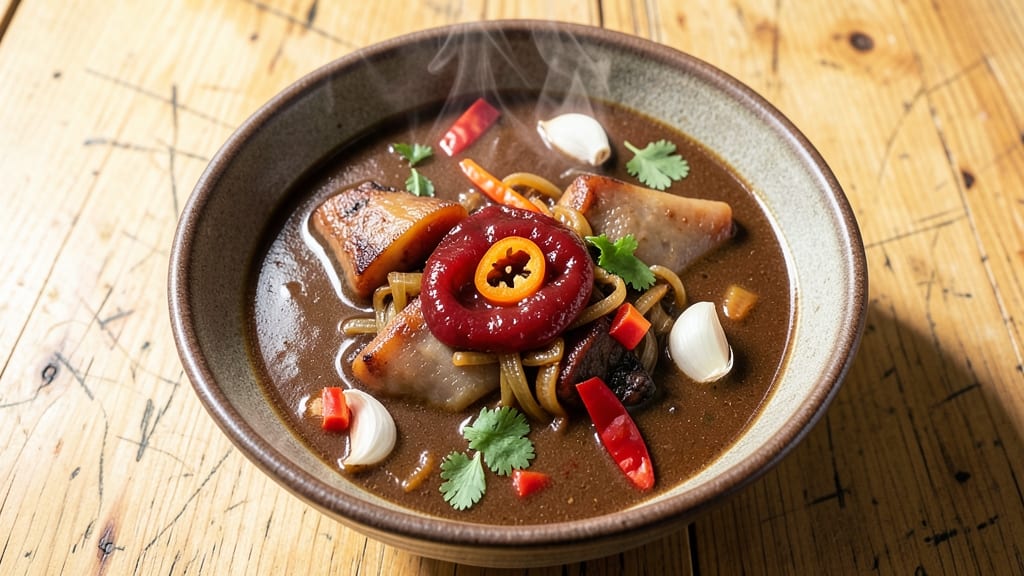
This Belizean cow foot soup recipe transports you to the coastal kitchens of Belize, where slow-simmered umami meets silky noodles in every spoonful. 🌟 The dish transforms tough cow feet into tender, gelatinous perfection through hours of gentle cooking, creating a rich broth that's both comforting and deeply flavorful.
What makes this recipe special is its ability to balance earthy, meaty depth with the delicate texture of noodles and fresh vegetables.
The process begins with carefully cleaning and parboiling the cow feet to remove impurities, then simmering them for hours until they're fork-tender. This long cooking time is essential—it's what transforms the collagen into that signature silky texture that makes the soup so satisfying.
The result is a deeply aromatic broth infused with garlic, onions, and spices, creating layers of flavor that build with each bite.
What you'll achieve is a hearty, nourishing soup that's perfect for sharing—each bowl delivers tender cow foot pieces, silky noodles, and a broth so flavorful it tastes like a hug in liquid form.
The combination of textures and flavors makes this more than just a meal; it's an experience that connects you to Belizean culinary traditions.
Serve this soup with warm crusty bread or steamed rice to soak up every last drop of that precious broth. The recipe scales beautifully for gatherings, making it ideal for family meals or special occasions when you want to impress with authentic flavors.
Let's get started on creating this Belizean classic in your own kitchen.
Ingredients for belizean cow foot soup
Six pounds of cow feet transform into a deeply flavorful Belizean soup with these 17 ingredients.
| Ingredient | Amount | Notes |
|---|---|---|
| Cow Feet (Cleaned) 🦶 | 4 lb | Parboiled to remove impurities |
| Yellow Onions 🧅 | 2 whole | Chopped into 1-inch pieces |
| Garlic Cloves 🧄 | 6 cloves | Minced for aromatic depth |
| Fresh Ginger 🌿 | 2 tbsp | Grated, about 1-inch piece |
| Scotch Bonnet Peppers 🌶️ | 2 whole | Seeds removed for mild heat |
| Tomato Paste 🍅 | ½ cup | For rich, concentrated flavor |
| Vegetable Oil 🫒 | ¼ cup | For initial sautéing |
| Water 💧 | 8 cups | For initial parboiling |
| Chicken or Vegetable Broth 🍲 | 6 cups | For simmering broth |
| Egg Noodles 🍜 | 1 lb | Fresh or dried, silky texture |
| Green Bell Peppers 🧅 | 2 whole | Sliced into strips |
| Cilantro 🌿 | ¼ cup | Chopped, for garnish |
| Lime 🍋 | 1 whole | Juiced for brightness |
| Salt 🧂 | 2 tsp | Adjust to taste |
| Black Pepper 🌶️ | 1 tsp | Freshly ground |
| Thyme 🌿 | 1 tbsp | Fresh or 1 tsp dried |
| Bay Leaves 🍃 | 2 whole | For subtle earthy flavor |
Cow feet are the star here, and you want the freshest possible—look for them at Asian markets or specialty butchers. Costco sometimes carries them too, but call ahead. The key is parboiling them first to remove impurities, which takes about 15 minutes. Don’t skip this step—it makes all the difference. For the Scotch bonnet peppers, grab the freshest you can find (they’re the secret to that signature Belizean heat), or sub with habanero if needed. The ginger and garlic are non-negotiable for that aromatic punch.
No Scotch bonnet? Habanero or even jalapeño will work in a pinch, but reduce the amount to half. The tomato paste can be swapped for 1 cup crushed tomatoes if you prefer a chunkier texture. For the broth, homemade chicken broth is ideal, but store-bought works fine (just check for no added salt). The egg noodles should be fresh if possible—they hold up better to the long simmer. If using dried, cook them separately and add at the end. The cilantro is purely for garnish, so dried won’t cut it here.
This soup tastes even better the next day—honestly, the flavors meld into something magical after sitting overnight. Store leftovers in the fridge for up to 4 days, or freeze for 3 months. I like to portion it into containers so I can grab a bowl straight from the freezer for a quick meal. The broth reduces slightly when reheated, so add a splash of water if it gets too thick. Serve with warm crusty bread or rice to soak up every last drop of that precious umami-rich liquid.
Why You'll Love This Recipe
- One-Pot Magic: I swear by this recipe—simmer everything in one pot, and the cow feet melt into tender, gelatinous goodness while the onions and ginger caramelize right into the broth. No chopping chaos, no extra pans, just layer after layer of flavor building as it cooks.
- Heat That Stays: That Scotch bonnet pepper isn’t just for show—it lingers. The soup starts with a fiery kick but mellows into a deep, smoky warmth that clings to your ribs long after the last spoonful. Honestly, the first time I made it, I reached for another piece of bread just to soak up the broth.
- Weeknight Workhorse: This is my go-to for lazy Sundays or when unexpected guests show up. The cow feet turn the broth into a hearty, protein-packed meal that actually tastes like you put in effort—even though it’s basically "dump and simmer." (Yes, even on a Tuesday night.)
- Budget-Friendly Feast: A whole cow foot costs less than a single steak, but the soup stretches to feed four for under $10. The leftovers? Even better the next day—if there are any. My kids pretend not to love it, but they’re always the first to ask for seconds.
Step-by-step instructions for Belizean cow foot soup
This rich, slow-simmered soup transforms humble cow feet into a velvety masterpiece with layers of umami and freshness.
🔥 Step 1: Parboil the Cow Feet to Remove Impurities
Place the 4 lb cow feet (cleaned) in a large stockpot and cover with the 8 cups water. Bring to a rolling boil over high heat and cook for 15 minutes. This initial boiling removes any remaining impurities and prepares the feet for tenderizing.
After 15 minutes, drain the water completely and rinse the cow feet under cold water. Return them to the same pot and add 6 cups chicken or vegetable broth along with 2 whole bay leaves, 1 tbsp thyme, 2 tsp salt, and 1 tsp black pepper. Bring to a simmer over medium heat and reduce to a gentle bubble. Here's the thing—you'll need to simmer these for at least 3 hours, skimming off any foam that rises to the surface. This long cook time breaks down the collagen into gelatin, creating that signature silky texture.
🍳 Step 2: Build the Flavor Base with Aromatics
While the cow feet simmer, heat the 0.25 cup vegetable oil in a separate large pot over medium heat. Add the 2 whole yellow onions (chopped) and cook for 5 minutes until softened and translucent. Add the 6 cloves garlic (minced) and 2 tbsp fresh ginger (grated), cooking for another 2 minutes until fragrant—this is where the magic starts.
Next, add the 2 whole Scotch bonnet peppers (seeds removed) and cook for 3 minutes until slightly softened. Stir in the 0.5 cup tomato paste and cook for 2 more minutes, stirring constantly to prevent burning. This aromatic base forms the flavor foundation of your soup, so don't rush this step. The tomato paste will deepen the color and add richness that carries through the entire dish.
🥘 Step 3: Combine and Simmer the Soup
Carefully transfer the simmering cow feet and their broth to the pot with the aromatic base. Add the 2 whole green bell peppers (sliced) and bring everything to a gentle simmer over low heat. Here's the crucial part: maintain a barely simmering state for another 2 hours. You want the cow feet to become fork-tender, almost falling apart when pierced with a fork. If the soup reduces too much, add hot water 1 cup at a time to maintain the proper consistency.
After 2 hours, remove the cow feet and shred the meat using two forks, discarding any remaining bones. Return the shredded meat to the pot and stir well to distribute the flavors. Taste and adjust seasoning with additional salt or black pepper as needed. This is where all your hard work pays off—the soup should be rich, slightly sweet from the slow cooking, and deeply flavorful.
🍽️ Step 4: Finish with Fresh Elements
Cook the 1 lb egg noodles according to package instructions until al dente. Drain and set aside. Just before serving, stir the noodles into the soup along with the juice of 1 whole lime and the 0.25 cup chopped cilantro. The lime brightens the rich flavors while the cilantro adds a fresh finish that cuts through the richness.
Ladle the soup into bowls and garnish with additional cilantro if desired. Serve immediately while hot, with crusty bread on the side to soak up every last drop of that velvety broth. The contrast between the tender cow foot meat, silky noodles, and vibrant fresh elements makes this Belizean classic unforgettable.
Pro Tips For Making Belizean Cow Foot Soup
- Parboil First: Drop those cow feet in simmering water for 30 minutes before the main cook—this softens the tough collagen and cuts the cooking time by nearly half. I learned this the hard way after a 12-hour marathon boil that still left my feet chewy.
- Char the Peppers: Blacken those Scotch bonnet peppers over an open flame or in a dry skillet before blending—the smoky depth adds a complexity the recipe needs. Yes, it looks dramatic, but it’s the thing that makes your soup taste like it came from a Belizean kitchen, not a cookbook.
- Don’t Rush the Ginger: Grate the ginger fine and let it sit in the oil with the onions for 5 minutes before adding anything else—this draws out the heat and aroma without bitterness. Skipping this step means your soup will taste like ginger was added, not like it’s the soul of the dish.
- Skim the Scum: The first 20 minutes of simmering will bring up a layer of foam and impurities—skim it off aggressively with a slotted spoon. I know, it’s tedious, but leaving it in turns your rich broth murky and off-putting. Trust me, your future self will notice.
Essential equipment for belizean cow foot soup
Large Stockpot
You'll need a heavy-bottomed stockpot with at least 8-quart capacity to handle the 4 lb cow feet and 8 cups water during the initial parboiling. I recommend a stainless steel pot like the All-Clad Stainless Steel Stockpot—it distributes heat evenly and prevents scorching.
The deep sides help contain splashes from the vigorous boiling. 🔥
Avoid nonstick pots for this recipe—they can't handle the 3+ hour simmer without warping. If you don't have a large stockpot, a Dutch oven works too, though it may require more frequent stirring to prevent sticking. The key is maintaining even heat distribution throughout the long cooking process.
Immersion Blender
An immersion blender is your secret weapon for creating that signature silky texture without over-blending the soup. After shredding the cow feet, use it to gently blend 2-3 cups of the broth directly in the pot for 10-15 seconds—just enough to emulsify the gelatinous collagen into a velvety consistency.
I love the Ninja Professional Immersion Blender for its powerful motor and comfortable grip.
This step happens after the 2-hour simmer when you're adjusting seasoning. The immersion blender lets you control the thickness perfectly—no need to remove liquid or risk breaking the noodles. For an even smoother texture, strain the blended portion through a fine-mesh sieve before returning it to the pot.
Measuring Spoons
Precise measurements are crucial for balancing the Scotch bonnet peppers and ginger—both carry significant flavor impact. Invest in a set of stainless steel measuring spoons with clearly marked ¼ tsp to 1 tbsp increments.
I use OXO Good Grips because they're durable and easy to read even when your hands are wet. The 2 tbsp grated ginger and ½ cup tomato paste need exact measurements to avoid overpowering the delicate broth.
Don't substitute with pinch measurements—Belizean cuisine relies on careful spice balance. For the thyme, use 1 tbsp fresh (or 1 tsp dried)—dried thyme is more concentrated, so measure carefully. The 2 tsp salt should be added gradually during tasting to avoid over-seasoning the long-simmered broth.
Tongs for Handling
Long-handled kitchen tongs with silicon tips are essential for safely handling the hot cow feet during the 15-minute parboil and 3-hour simmer. I recommend 12-inch stainless steel tongs like those from Mercer Culinary—they provide the reach and grip needed to maneuver the heavy feet without burning your hands.
The silicon tips protect your pot's surface while giving you a secure hold on slippery cow feet.
Use these tongs to:
- Transfer cow feet from the parboiling water to the simmering broth
- Remove foam during the initial simmer
- Retrieve individual cow feet for shredding after 2 hours
- Stir in the green bell peppers without burning your fingers
Fine-Mesh Sieve
A fine-mesh sieve with at least 8-inch diameter becomes your best friend when straining the blended broth for ultra-smooth texture. The OXO Good Grips Fine Strainer works perfectly for this purpose.
After blending 2-3 cups of broth, pour it through the sieve to remove any small bits of connective tissue that could make the soup gritty. This step happens right before adding the egg noodles—it ensures your final product has that restaurant-quality silkiness.
If you don't have a fine-mesh sieve, a cheesecloth works in a pinch, but it requires more effort to wring out completely. The sieve gives you consistent results every time, which is especially important when you're serving this as a special occasion dish.
For extra clarity, you can even double-strain through a paper coffee filter in the sieve.
Nutrition facts
Frequently asked questions
Why do cow feet need to be parboiled before cooking?
The 15-minute parboil removes impurities like dirt, blood, and hair that cling to the skin. This step is crucial because it prevents the broth from becoming cloudy or developing off-flavors during the long simmer. Without parboiling, the soup would taste bitter and require excessive straining—this method ensures clean, flavorful results from the start.
Can I substitute cow feet with chicken feet or pork trotter?
While you can use chicken feet (they cook faster) or pork trotter, the texture and flavor will differ. Cow feet have more collagen, creating that signature silky mouthfeel. For a closer match, use 1 lb pork trotter per 2 lb cow feet and simmer 10 minutes longer. The broth will be less gelatinous but still rich.
How can I make this soup less spicy for kids?
Reduce the Scotch bonnet peppers to 1 whole pepper (seeds removed) or swap for ½ tsp mild paprika. For extra mildness, remove the peppers entirely after sautéing and add 1 tsp honey at the end to balance flavors. Always taste the broth before adding noodles—adjust with lime juice if needed.
What's the secret to getting the silky texture?
Three things: long simmering (5+ hours total), low heat (gentle bubble), and blending 2-3 cups of broth with an immersion blender. The collagen breaks down during simmering—don't rush! For extra silkiness, strain the blended portion through a fine-mesh sieve before returning it to the pot.
Can I prepare this soup ahead of time?
This soup tastes even better the next day! Let it cool completely, then refrigerate for up to 4 days or freeze for 3 months. Reheat gently on low heat, adding ½ cup water if it thickens too much. The flavors meld beautifully overnight, creating deeper umami notes.