
Soups & Stews
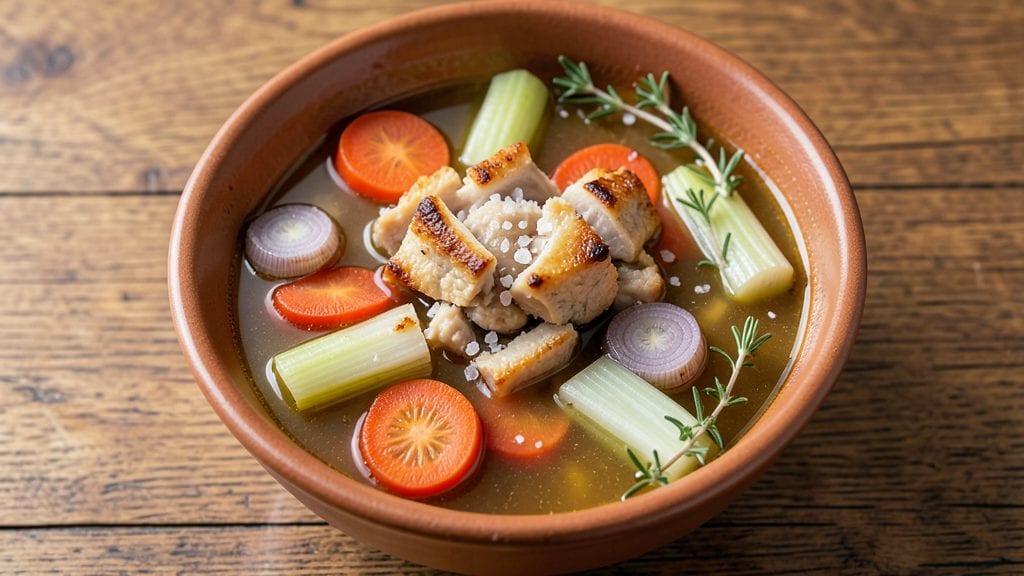
Transforming bone marrow into a velvety vegetable soup reveals a depth of umami that elevates simple ingredients into something extraordinary. The process begins with carefully roasting beef marrow bones to render their rich, gelatinous interior, which forms the soul of this soup.
What makes this recipe special is the balance—where the marrow’s deep, savory notes harmonize with earthy vegetables and aromatic herbs.
This traditional method requires patience, particularly in extracting the marrow safely and rendering it into a luxurious broth. The result is a soup that’s both comforting and sophisticated, with layers of flavor that develop as it simmers.
Perfect for cooler months or when you crave a dish that feels indulgent yet nourishing, this recipe delivers restaurant-quality depth in your own kitchen.
The vegetables—carrots, celery, and leeks—soften into tender sweetness while absorbing the marrow’s richness, creating a velvety texture that coats every spoonful. The final touch of fresh herbs brightens the dish, ensuring each bite is perfectly balanced.
With just a few simple ingredients and careful technique, you’ll achieve a soup that’s impossible to resist.
Whether you’re preparing for a cozy family dinner or a special occasion, this bone marrow vegetable soup promises warmth and satisfaction. The process may seem intricate at first, but the reward—a bowl brimming with umami and heartiness—makes every step worthwhile. Let’s create something truly memorable together.
Ingredients for bone marrow vegetable soup
Four marrow bones and twelve simple vegetables transform into restaurant-quality umami depth.
| Ingredient | Amount | Notes |
|---|---|---|
| Beef Marrow Bones 🦴 | 4 whole | With marrow intact, organic preferred |
| Yellow Onion 🧅 | 1 whole | Medium size, diced evenly |
| Carrots 🥕 | 4 medium | Whole, peeled, cut into chunks |
| Celery Stalks 🧆 | 4 whole | Stringless, cut into 1-inch pieces |
| Leeks 🧅 | 2 whole | White and light green parts only |
| Garlic Cloves 🧄 | 6 cloves | Peeled, lightly crushed |
| Fresh Thyme 🌿 | ½ ounce | Or 2 tbsp dried thyme |
| Fresh Parsley 🌿 | ¼ cup | Chopped, for garnish only |
| Bay Leaves 🌿 | 2 whole | Dried, standard size |
| Vegetable Stock 💧 | 6 cups | Homemade, unsalted preferred |
| Extra-Virgin Olive Oil 🫒 | ¼ cup | For roasting bones |
| Dry White Wine 🍷 | ½ cup | Sauvignon Blanc preferred |
| Salt 🧂 | 1 ½ tsp | Diamond Crystal kosher |
| Black Peppercorns 🌶️ | ½ tsp | Freshly cracked preferred |
| Fresh Thyme 🌿 | 2 tbsp | Fresh sprigs for finishing |
The marrow bones are the foundation—organic beef marrow bones from a trusted butcher ensure optimal flavor extraction. Look for bones with visible marrow cavities and minimal surface fat. Whole Foods Market and local butcher shops typically carry them, though you may need to order ahead. For the vegetables, prioritize fresh, firm produce—carrots with vibrant orange hue, celery with crisp stalks, and leeks with clean white layers. The thyme should be bright green sprigs, not wilted or dried out. If using dried thyme, measure carefully—it's more potent than fresh.
No fresh thyme? Dried thyme works at one-third the amount—just ensure it's organic, culinary-grade from a reputable source like Penzeys Spices. Substituting wine? Dry vermouth or additional vegetable stock maintains balance. For the vegetable stock, homemade is ideal—store-bought can sometimes be overly salty. The olive oil should be extra-virgin, cold-pressed, with a fruity aroma—none of that cheap cooking oil. If you're short on time, pre-cut vegetables from the grocery store's fresh section work fine, though they may lack the same freshness. The key is ensuring all ingredients are properly cleaned and prepped before cooking.
This soup develops deeper flavor over time—reheat gently to preserve its velvety texture. Store in an airtight container for up to 5 days in the refrigerator or 3 months in the freezer. For best results, portion before freezing—individual servings reheat beautifully. The rendered marrow fat solidifies when chilled, so reheat slowly to restore its luxurious consistency. Garnish with fresh parsley and thyme just before serving to brighten the dish and add a pop of color.
Why You'll Love This Recipe
- One-Pot Wonder: I swear by this soup because it’s literally one pot—no chopping boards, no extra pans. Just toss in the marrow bones (already roasted for richness), onions, carrots, celery, and leeks, add broth, and let it simmer. The bones do all the work while you sip wine and pretend you’re not cooking.
- Rich Without Effort: Here’s what sold me—the marrow bones infuse the broth with this unreal depth, like a slow-cooked secret. You don’t even need fancy herbs; a bay leaf and thyme turn the veggies into something dangerously addictive. That first spoonful? Pure satisfaction.
- Weeknight to Gatherings: Between us, this soup is my go-to for everything. Too tired for dinner? Done in 30 minutes. Hosting book club? Feeds six without stress. The veggies soften just right, and the marrow adds this silky texture that makes it feel special—even if it’s Tuesday.
- Budget Meal That Lasts: I make a double batch because it reheats like a dream and tastes better the next day. Marrow bones are cheap, and the veggies stretch the broth into three meals. Plus, the leftovers? Still crave-worthy. Not the prettiest, but the taste makes up for it every time.
Step-by-step instructions for bone marrow vegetable soup
Here's the method to unlock rich umami depth from beef marrow bones into a velvety vegetable broth.
Roast the Beef Marrow Bones for Maximum Flavor
Preheat your oven to 425°F and position a rack in the middle position. Place the 4 whole beef marrow bones on a rimmed baking sheet, marrow-side down. Drizzle with 0.25 cup extra-virgin olive oil and season lightly with 0.5 tsp salt and 0.25 tsp black peppercorns.
Roast for 25-30 minutes until the bones develop a deep mahogany color and the marrow begins to soften slightly. The skin should be crisp, and you'll notice the aroma of caramelizing bone collagen filling your kitchen. This roasting step is crucial—it develops complex Maillard reactions that form the soup's umami foundation. Remove the bones and set aside for the next step.
Build the Vegetable Base and Extract Marrow
In a large Dutch oven, heat 0.25 cup extra-virgin olive oil over medium heat. Add the 1 whole yellow onion, 4 whole celery stalks, and 2 whole leeks (white and light green parts only), cutting them into ½-inch pieces as you go. Sauté for 8-10 minutes until the vegetables soften and the onion becomes translucent.
Add the 4 medium carrots (cut into chunks) and 6 cloves garlic cloves (lightly crushed). Cook for another 5 minutes until fragrant. Now carefully extract the marrow from the roasted bones using a small spoon or knife, scraping out the soft, gelatinous interior. Add this marrow directly to the pot—it will melt into the vegetables, creating an immediate depth of flavor.
Deglaze and Simmer the Broth
Pour in the 0.5 cup dry white wine and scrape up any browned bits from the bottom of the pot. This deglazing step captures all the flavor compounds released during roasting. Let the wine simmer for 3-4 minutes until mostly evaporated, then add the 6 cups vegetable stock, 0.5 ounce fresh thyme, and 2 whole bay leaves.
Bring the mixture to a gentle boil, then reduce heat to maintain a low simmer. Add the roasted beef marrow bones back to the pot. Partially cover and simmer for 1 hour to 1 hour 15 minutes, skimming any foam that rises to the surface. The broth should develop a rich, golden color and an intense aroma—this is when the collagen from the bones begins converting to gelatin, creating that signature velvety texture.
Finish and Season the Soup
After simmering, remove the beef marrow bones and strain the broth through a fine-mesh sieve into a clean pot. Discard the solids. Return the broth to medium heat and add the 1.5 tsp salt and remaining 0.25 tsp black peppercorns. Taste and adjust seasoning—this broth should be deeply savory but balanced.
Just before serving, stir in the 2 tbsp fresh thyme (sprigs) and let them infuse for 5 minutes. Remove the thyme sprigs and ladle the soup into bowls. Garnish each serving with 1 tablespoon chopped fresh parsley for brightness. The soup should be rich, velvety, and packed with umami flavor from the marrow-infused broth.
Pro Tips For Making Bone Marrow Vegetable Soup
- CRACK THE MARROW FIRST: Don’t wait until the soup is done—extract the marrow while the bones are still cold. Use a sharp knife to split the ends cleanly, then scoop out the marrow with a spoon before adding the bones to the pot. Warm marrow melts better and blends seamlessly into the broth.
- SAUTÉ THE AROMS LOW AND SLOW: After dicing the onion, leeks, and celery, cook them in olive oil over medium-low heat for 10 minutes. High heat burns them before they soften, and you’ll end up with bitter, charred bits instead of sweet, caramelized flavor. Patience here makes the whole soup taste richer.
- SKIP THE BOILING START: Add the marrow bones and vegetables to cold water, then bring to a simmer gently—never a rolling boil. Boiling scalds the marrow, turning it greasy and separating from the broth. A steady simmer (just bubbles breaking the surface) keeps everything silky and cohesive.
- STRAIN THE BROTH TWICE: After simmering, strain the broth through a fine-mesh sieve, then a cheesecloth for the second pass. The first catch removes solids; the second removes the cloudiness. Lazy straining leaves a murky soup—worth the extra 30 seconds for clarity and depth.
Wine and beer pairings for these flavors
White Wine Harmony
A crisp, dry Sauvignon Blanc from the Loire Valley is my go-to pairing for this soup—its bright citrus notes and herbal undertones complement the marrow’s richness without overpowering it. Look for a 2023 vintage with 12-14% ABV from producers like Domaine Fouassier or Oystercatcher.
The wine’s acidity cuts through the soup’s velvety texture, cleansing your palate between spoonfuls. Serve slightly chilled (50-55°F) to enhance its refreshing qualities. 🍷
Red Wine Contrast
For those who prefer red, a light-bodied Pinot Noir from Oregon’s Willamette Valley offers an unexpected but delightful contrast. Choose a 2022 vintage with 12-13% ABV from Domaine Serene or Argyle Winery, as their delicate fruit and earthy notes harmonize with the soup’s umami depth.
The wine’s subtle tannins won’t clash with the broth’s richness, making each sip a balanced experience. Decant for 15-20 minutes to soften any residual acidity.
Beer Pairings
A Belgian witbier like Hoegaarden or Stella Artois provides a refreshing, slightly effervescent contrast to the soup’s richness. The coriander and orange peel notes in these beers brighten the dish, while their mild carbonation cleanses the palate.
For a bolder option, try a German Helles Lager—its malty sweetness and crisp finish pair beautifully with the marrow’s depth. Serve at 45-50°F to preserve the beer’s crispness. 🍺
Non-Alcoholic Options
For a non-alcoholic pairing, I recommend a sparkling apple cider like Woodchuck Hard Cider’s Sparkling Apple or a ginger beer such as Firefly. The effervescence and slight tartness of these beverages mirror the wine pairings while offering a refreshing alternative.
For a more savory option, a chilled cucumber-mint infused water with a squeeze of lemon adds a refreshing contrast to the soup’s richness. 💧
Seasonal Adaptations
In warmer months, consider a rosé from Provence—its delicate strawberry and floral notes provide a lighter contrast to the soup’s depth. For winter, a fortified wine like Port adds a luxurious touch, with its sweetness balancing the soup’s savory profile.
Always ensure your wine or beer is served at the correct temperature to enhance its flavor profile and complement the soup. ❄️
Nutrition facts
Frequently asked questions
Can I substitute beef marrow bones with another type of bone?
While beef marrow bones are ideal, you can use chicken or turkey marrow bones in a pinch—but expect a lighter flavor. For a vegetarian alternative, try shiitake mushrooms or mushroom-based umami paste to mimic the depth, though the texture will differ. The key is finding a rich, gelatinous component to build the soup's velvety base.
How do I know when the marrow is fully rendered?
The marrow is ready when it's soft and gelatinous, easily scraped from the bones with a spoon. After roasting, press gently—if it yields like warm butter, it's perfect. Over-roasting can dry it out, so aim for 25-30 minutes at 425°F until the bones are mahogany-colored but still moist inside.
Can I make this soup ahead of time?
This soup tastes even better the next day as flavors meld. Store in an airtight container in the fridge for up to 5 days or freeze for 3 months. Reheat gently on low heat—never microwave—to preserve the velvety texture. The marrow fat will solidify when chilled, so reheat slowly to restore its luxurious consistency.
What vegetables can I swap in for a different flavor profile?
For a heartier version, add potatoes or turnips. For a lighter touch, replace carrots with zucchini or fennel. The key is balancing sweetness (carrots) with earthiness (celery/leeks). Avoid overly watery veggies like cabbage—they dilute the marrow's richness. Adjust cooking times accordingly for denser vegetables.
Why does my soup look cloudy instead of clear?
Cloudiness often means the broth hasn't simmered long enough to fully extract collagen from the bones. Simmer uncovered for 1-1.5 hours to develop gelatin. If it's still cloudy, strain again through a fine-mesh sieve or add 1 tsp cornstarch mixed with water as a last resort—though this may slightly alter texture.