
Soups & Stews
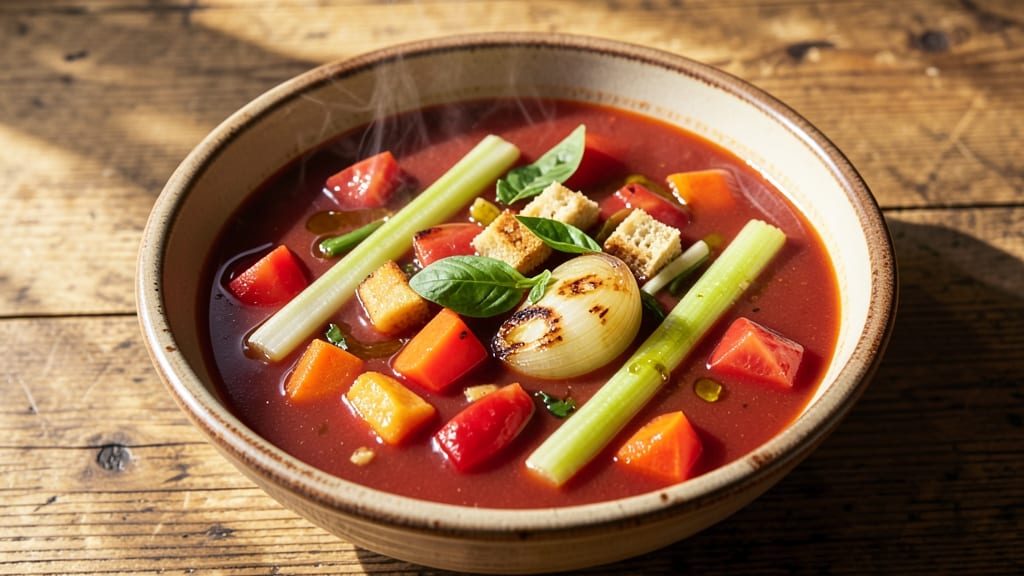
Transforming a simple can of Campbell's tomato soup into this hearty minestrone was one of those happy kitchen accidents—like when Nonna's gnocchi dough stuck to the rolling pin but somehow still turned out perfect.
The secret lies in building layers of flavor: simmering canned tomatoes with garlic and herbs until they deepen into something rich and complex, then adding beans, pasta, and vegetables that soak up every bit of that savory broth.
This recipe keeps the soul of classic minestrone—tomato-basil comfort in every spoonful—while letting you customize it for your table.
Whether you add shredded chicken for protein, crispy white beans for texture, or extra spinach for freshness, the base remains simple: just 30 minutes of active prep followed by an hour of simmering that fills your kitchen with the kind of aroma that makes people linger at the table.
The beauty of this version is its flexibility—it's as much a weeknight staple as it is a dinner party showstopper.
What you'll end up with is a pot of soup that's thick with vegetables and hearty enough to stand alone—no need for crusty bread, though it certainly pairs well.
The pasta stays al dente, the beans hold their shape, and the tomatoes create a velvety sauce that coats every bite. It's the kind of dish that tastes even better the next day, when flavors have had time to meld and deepen.
Perfect for chilly evenings or when you need to feed a crowd without stress.
For those who want to keep it traditional, stick with the classic ingredients. But if you're feeling adventurous, swap in tofu for plant-based protein or add a splash of white wine to the broth for extra depth.
The recipe scales effortlessly, so double it for leftovers—or don't, because this soup is impossible to resist. Let's get cooking!
Ingredients for campbell's minestrone soup
Classic pantry staples meet Italian comfort in one flavorful pot.
| Ingredient | Amount | Notes |
|---|---|---|
| Campbell's Tomato Soup 🍅 | 2 cans | Condensed, 10.5 oz each |
| Vegetable Broth 💧 | 3 cups | Low-sodium preferred |
| Garlic Cloves 🧄 | 4 cloves | Minced for depth |
| Carrots 🥕 | 3 medium | OR 1 cup diced |
| Celery Stalks 🧅 | 3 whole | Diced, about 1 cup |
| Onion 🧅 | 1 medium | Diced, yellow or red |
| Ditalini Pasta 🍝 | 1 ½ cups | Uncooked, orzo works too |
| Canned White Beans 🥫 | 1 can | Drained, 15 oz can |
| Canned Kidney Beans 🥫 | 1 can | Drained, 15 oz can |
| Fresh Basil Leaves 🌿 | ½ cup | Chopped, or 1 tbsp dried |
| Dried Oregano 🍃 | 1 tsp | Italian preferred |
| Bay Leaves 🌿 | 2 whole | Remove before serving |
| Salt 🧂 | 1 tsp | Adjust to taste |
| Black Pepper 🌶️ | ½ tsp | Freshly ground |
| Grated Parmesan Cheese 🧀 | ½ cup | Freshly grated preferred |
The Campbell's tomato soup is the secret weapon here—don't skip the brand. The canned beans and broth are where you can splurge if needed, but honestly, the store brands work fine. For the veggies, Trader Joe's pre-diced mix saves time, but fresh is always better. The garlic? Freshly minced makes all the difference—pre-minced from a jar tastes flat. I always grab extra basil because half gets torn over the top, and the rest goes in the pot. The Parmesan needs to be freshly grated for that perfect melt.
No fresh basil? Dried works at one-third the amount. Out of ditalini? Penne or farfalle hold up just fine—just cook them separately and add at the end. The broth can be bouillon cubes in a pinch, but low-sodium is key so you don't over-salt. Swap kidney beans for chickpeas if you prefer, though the texture changes slightly. The bay leaves? No need to remove them early—just let them steep the whole time for maximum flavor.
This soup tastes even better the next day—make extra and freeze portions. Keeps 5 days in the fridge or 3 months frozen. I always portion it into containers so lunches are sorted for the week. The pasta stays al dente if you add it in the last 10 minutes, but if you're making ahead, undercook it by 2 minutes before adding to the pot.
Why You'll Love This Recipe
- Pantry Magic Ready: I swear by this recipe because it turns my fridge’s veggie scraps into gold. Toss in whatever carrots and celery you have—no fancy measuring, no waste—just simmer until the broth sings with garlic and tomato depth.
- Garlic-Kissed Comfort: That first whiff of sizzling garlic in the broth? Instant mood booster. The Campbell’s tomato base gives it a rich, slightly sweet backbone, while the veggies soften into a hearty, rustic bite—like your nonna’s kitchen, but with half the effort.
- Leftovers That Beg: This soup only gets better the next day. The flavors meld into something deeper, and reheating it takes zero effort. Between us, I’ve microwaved cold leftovers straight from the fridge—crispy breadsticks optional, but recommended.
- Budget-Friendly Crowd-Pleaser: Feed six for the price of two dinners. The broth stretches, the canned tomato soup cuts costs, and everyone—even picky eaters—will ask for seconds. Honestly, it’s the kind of meal that makes grocery shopping feel like a win.
Step-by-step instructions for Campbell's minestrone soup recipe
This hearty tomato-basil soup comes together faster than you'd think—just one pot, no fuss.
Sauté the Aromatic Vegetables
In a large Dutch oven or deep pot, heat the vegetable broth over medium heat until it begins to simmer. While it warms, dice the onion into small, even pieces—about ¼-inch cubes. Add the onion to the pot and sauté for 3-4 minutes until it becomes translucent and just begins to soften.
Next, peel and dice the carrots into ¼-inch pieces, and cut the celery stalks into ¼-inch slices. Add these to the pot along with the 4 cloves minced garlic. Stir everything together and cook for another 4-5 minutes, until the vegetables soften slightly and release their natural aromas. You should smell that fresh, earthy scent—this is where the soup builds its depth of flavor. Real talk: Don't rush this step. The longer the vegetables cook gently, the more flavor they'll impart to the broth.
Build the Tomato-Basil Base
Pour the 2 cans Campbell's Tomato Soup into the pot and stir to combine with the sautéed vegetables. The soup will immediately start to thicken as it heats through. Add the 1 tsp dried oregano, 2 whole bay leaves, 1 tsp salt, and ½ tsp black pepper, stirring well to distribute the seasonings evenly.
Bring the mixture to a gentle boil, then reduce the heat to medium-low and let it simmer uncovered for 10 minutes. This allows the flavors to meld and the tomato soup to develop its rich, tangy depth. You'll notice the soup thickens slightly as it cooks—this is perfect. Here's the thing—if you see the soup starting to stick to the bottom, add a splash of water to keep it moving.
Add the Pasta and Beans
While the soup simmers, drain and rinse the 1 can canned white beans and 1 can canned kidney beans to remove any excess sodium. Add both cans of beans to the pot and stir gently to combine. The beans will begin to heat through almost immediately, but they need time to absorb the flavors.
Next, add the 1.5 cups ditalini pasta to the pot. Stir once more to ensure everything is well incorporated. The pasta will start to soften almost immediately, but it needs 8-10 minutes of simmering to reach the perfect al dente texture. Here's a pro tip: Stir the soup occasionally to prevent the pasta from sticking to the bottom of the pot. You want the pasta to be tender but still hold its shape—think of it like a firm bite, not mushy.
Finish with Fresh Herbs and Cheese
Once the pasta is al dente, remove the pot from heat. Stir in the ½ cup chopped fresh basil leaves and let the soup sit for 2 minutes to allow the basil to infuse its bright, fresh flavor. You'll notice the soup's aroma become even more vibrant—this is the moment that matters.
Finally, remove the 2 whole bay leaves (they've done their job) and stir in the ½ cup grated Parmesan cheese. The cheese will melt slightly into the soup, adding a rich, salty finish. Taste and adjust the seasoning if needed—you might want to add a pinch more salt or a crack of black pepper to taste. Serve the soup immediately while it's hot, topped with an extra sprinkle of Parmesan and a few fresh basil leaves if you're feeling fancy.
Pro Tips For Making Campbell'S Minestrone Soup
- Sauté Garlic Low and Slow: If you’re using Campbell’s Tomato Soup as the base, the garlic won’t caramelize like it would in a fresh tomato sauce—but it’ll still burn if you rush it. Keep the heat at medium-low and let those cloves soften for at least 2 minutes before adding broth. I learned this the hard way after one batch tasted bitter instead of savory.
- Chop Celery and Carrots Small: The Campbell’s Tomato Soup already has texture, so if you leave your veggies in big chunks, you’ll end up with a soup that’s more stew than minestrone. Aim for ¼-inch dice—small enough to eat without chewing, but not so fine they disappear. (Yes, even if you’re impatient like me.)
- Skip the Boil: You don’t need to bring the broth to a full boil when combining it with Campbell’s Tomato Soup—just heat it until it’s steaming hot (about 3-4 minutes). Boiling can make the soup taste flat, and since the canned soup already has depth, you’re just wasting energy.
- Add a Splash of Wine: I was skeptical until I tried it, but a ¼ cup of dry white wine (or even a splash of red) brightens up the tomato flavor without overpowering it. Stir it in with the broth before adding the soup—it mellows out the canned taste surprisingly well. (Your future self will thank you.)
Essential equipment for great campbell's minestrone soup
Pot Selection Matters
For this minestrone, I swear by a 6-quart Dutch oven—it's the perfect size for simmering without overflowing, and the deep sides prevent splashing when stirring.
A heavy-bottomed pot like All-Clad or even a stainless steel stockpot works just as well, but avoid thin aluminum—it can't handle the long simmer without scorching. My Nonna's old enamel-coated cast iron pot is my go-to when I'm making extra servings. 🔥
Essential Tools
You'll need a sharp chef's knife for dicing veggies—nothing dulls faster than tough celery stalks. A wooden spoon is ideal for stirring (won't scratch your pot), but a silicone one works too.
I keep a fine-mesh strainer handy for rinsing beans and a microplane for fresh garlic—it's faster than mincing cloves. Don't skimp on a good measuring cup for broth and pasta either; precision matters when balancing flavors.
Pasta Prep Shortcuts
Save time by using pre-measured pasta cups (like Barilla's) instead of weighing—just measure by volume. For beans, I grab the no-salt-added cans from the store's Italian section (Trader Joe's has great ones). A can opener with a built-in strainer cuts prep time in half when draining beans.
Pro tip: Keep a small bowl nearby to catch any pasta water that might spill during stirring—it comes in handy for adjusting soup consistency later.
Flavor Boosters
Invest in a small mortar and pestle to lightly crush dried oregano and bay leaves before adding—they release more aroma. Fresh basil? I always buy a big bunch and chop half for the soup, saving the rest for garnish.
A garlic press is worth its weight in gold for this recipe. For extra depth, keep white wine or tomato paste on hand—just a splash of dry white wine (like Pinot Grigio) deglazes the pot beautifully after sautéing veggies.
Make-Ahead Gear
For leftovers, I use glass Pyrex containers with snap-on lids—they stack in the freezer perfectly. A sharp knife for portioning is key, and I always label containers with dates using a permanent marker.
When reheating, a heavy-bottomed saucepan prevents scorching. For quick lunches, I grab single-serve containers with lids—just pop them in the microwave for 2 minutes and stir in a splash of water if needed.
Nutrition facts
Frequently asked questions
Can I make this minestrone without canned tomato soup?
Use 2 cups tomato sauce (or 1 can crushed tomatoes) plus 1 cup water to replace the Campbell's soup. Simmer the sauce with your sautéed vegetables for 15 minutes to develop depth, then proceed with the recipe. For extra richness, add 1 tsp tomato paste to the sautéed veggies before adding the sauce.
How can I make this soup vegetarian or vegan?
Skip the Parmesan and use nutritional yeast for a cheesy flavor instead. For protein, add extra beans (like lentils or chickpeas) or tofu cubes (pan-fried until crispy). Ensure your broth is vegetable-based and check bean cans for vegan labels. The soup will still be hearty and satisfying!
My minestrone turned out too thin—how can I fix it?
Stir in 1-2 tablespoons cornstarch mixed with 2 tablespoons cold water and simmer for 2-3 minutes until thickened. Alternatively, mash a few cooked beans against the pot sides to release starch. For prevention, use less broth next time or add 1/2 cup ditalini pasta extra.
Can I add meat to this recipe?
Yes! Brown 1/2 lb ground beef or 1 lb diced chicken with the onions, then drain excess fat. For Italian flair, use Italian sausage (remove casing) or shredded rotisserie chicken. Add meat after sautéing veggies but before adding beans and pasta to prevent overcooking.
How do I store and reheat leftovers?
Cool the soup completely, then store in airtight containers for 5 days in the fridge or 3 months in the freezer. Reheat gently on low heat or in the microwave, stirring occasionally. Add 1-2 tablespoons water or broth if the soup seems too thick after reheating.