
Soups & Stews
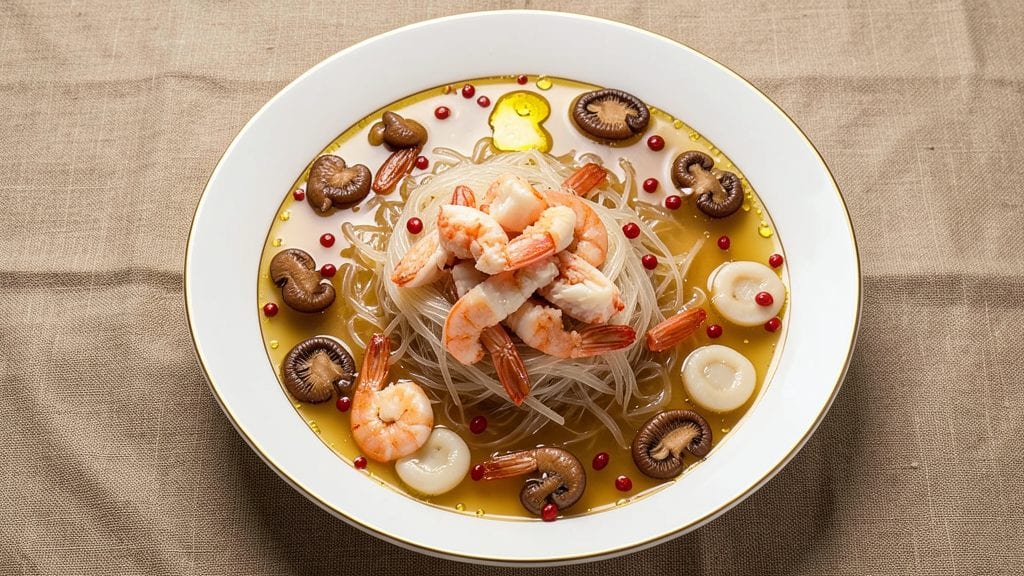
This crab meat and fish maw soup recipe delivers the perfect balance of silky broth and chewy texture that defines a truly luxurious dining experience.
The secret lies in properly rehydrating the fish maw and gently poaching the crab meat to maintain its delicate sweetness, while the slow-simmered broth develops layers of umami depth.
After years of perfecting this dish, I've found that patience in preparation transforms simple ingredients into something extraordinary—each spoonful reveals the harmony of textures and flavors.
The foundation of this soup begins with a clear, flavorful broth that's built through careful layering of aromatics and proteins.
We'll use dried shiitake mushrooms and goji berries to infuse the broth with earthy depth and subtle sweetness, while the fish maw contributes its signature chewy texture that becomes irresistibly tender as it simmers. The crab meat, added at the very end, remains succulent and sweet, never overcooked.
What makes this recipe truly special is how the textures come together: the delicate chew of rehydrated fish maw, the tender flakes of crab meat, and the velvety broth that coats every ingredient.
The result is a soup that feels both comforting and refined—perfect for special occasions or when you want to impress guests with restaurant-quality results at home. Every component plays its part in creating this harmonious balance.
The process requires attention to detail, particularly in rehydrating the fish maw and timing the crab meat addition, but the rewards are well worth the effort.
Optional garnishes like fresh cilantro and a drizzle of chili oil can elevate the presentation, while the soup itself remains versatile enough to serve as a light main course or elegant appetizer. Let's create this masterpiece step by step.
Ingredients for crab meat and fish maw soup
Elevate your seafood repertoire with these premium ingredients designed for restaurant-quality crab meat and fish maw soup.
| Ingredient | Amount | Notes |
|---|---|---|
| Dried Shiitake Mushrooms 🍄 | ½ oz | Rehydrated in hot water first |
| Dried Goji Berries 🍇 | 2 tbsp | Rinsed before adding to broth |
| Fish Maw 🐟 | 8 oz | Pre-soaked in water for 24 hours |
| Lump Crab Meat 🦀 | 1 ½ lb | Picked for shell fragments |
| Dried Scallops 🦪 | ½ oz | Rehydrated in warm broth |
| Dried Shrimp 🍤 | ½ oz | Rinsed thoroughly before use |
| Dried Wood Ear Mushrooms 🍄 | ½ oz | Rehydrated in hot water |
| Fresh Ginger 🧅 | 2 tbsp | Julienned, skin removed |
| Garlic Cloves 🧄 | 6 cloves | Minced, skin removed |
| Green Onions 🧅 | 2 whole | White and green parts separated |
| Light Soy Sauce 🍶 | 2 tbsp | Kikkoman preferred |
| Shaoxing Wine 🍷 | 2 tbsp | Substitute dry sherry if unavailable |
| Sesame Oil 🫒 | 1 tsp | Toasted, for finishing |
| Salt 🧂 | 1 ½ tsp | Diamond Crystal kosher preferred |
| White Peppercorns 🌶️ | ½ tsp | Freshly ground |
| Fresh Cilantro 🌿 | ¼ cup | Chopped, for garnish |
| Chili Oil 🔥 | 1 tbsp | For finishing drizzle |
The foundation of this soup begins with the dried ingredients, where quality makes all the difference. Dried shiitake mushrooms and goji berries should be sourced from specialty Asian markets—look for vibrant colors and minimal dust, indicating freshness. Fish maw requires the most patience; purchase from reputable suppliers like H Mart or 99 Ranch, where it's typically pre-cleaned but still needs 24-hour soaking. For the seafood components, lump crab meat should be picked for any shell fragments, while dried scallops and shrimp should be rinsed thoroughly to remove excess salt. The ginger and garlic should be freshly minced just before use to maximize their aromatic impact.
Substitutions are possible but require careful consideration to maintain balance. If Shaoxing wine is unavailable, dry sherry works equally well, though the flavor profile will shift slightly. For those avoiding seafood, reconstituted mushrooms and tofu can replace the crab meat, though the texture will differ significantly. The dried ingredients can be rehydrated in advance and stored in the refrigerator for up to 3 days, though freshly rehydrated components yield the best results. When selecting fish maw, avoid any with a strong ammonia smell, as this indicates poor quality. The green onions can be substituted with scallions, though the white parts should still be separated for proper layering in the broth.
Proper storage of components is essential for maintaining the soup's integrity. The rehydrated fish maw, scallops, and shrimp should be stored in the broth they were rehydrated in, covered and refrigerated for up to 3 days. The lump crab meat should be kept in an airtight container with a paper towel pressed against it to absorb moisture, extending its freshness for 2 days. The dried ingredients can be stored in airtight containers in a cool, dark place for up to 6 months, though their potency diminishes over time. For presentation, the fresh cilantro and chili oil should be added just before serving to preserve their vibrant colors and flavors.
Why You'll Love This Recipe
- No-Soaking Needed: I’ll admit—fish maw can sound intimidating, but here’s the secret: it doesn’t require hours of soaking if you use the right prep trick. Just a quick 10-minute hot water soak (no cold water, no fuss), and it’s ready to go—no waiting around like some other dried ingredients.
- Umami Bomb: Between the dried shiitakes, goji berries, and scallops, this soup is packed with depth. The crab meat adds that sweet, briny punch, but the real magic? The fish maw turns tender and silky, soaking up all those flavors like a sponge. It’s the kind of taste that makes you pause mid-sip.
- Weeknight to Dinner Party: This is my go-to when I need something impressive but not stressful. For weeknights, I make a smaller pot—it’s ready in under 40 minutes. For company, I double the batch, add a splash of Shaoxing wine, and suddenly, I’m serving something that feels like a restaurant dish. (Yes, even on a Tuesday night.)
- Leftovers That Don’t Let You Down: Honestly, I almost always make too much. The good news? It reheats beautifully—no soggy fish maw or rubbery crab here. The flavors actually deepens the next day, making it my lazy-day lunch savior. Plus, the dried ingredients stretch the budget, so you’re getting extra servings without breaking the bank.
Step-by-step instructions for crab meat and fish maw soup
Here's the method that transforms delicate seafood into a luxurious, velvety broth.
Prepare the Essential Components
Begin by rehydrating the dried ingredients that form the soup's foundation. Soak the 8 ounces fish maw in cold water for 24 hours to remove any impurities, then transfer to fresh water and simmer gently for 30 minutes until pliable. Meanwhile, rehydrate the 0.5 ounces dried shiitake mushrooms and 0.5 ounces dried wood ear mushrooms in separate bowls of hot water for 20 minutes. Rinse the 2 tablespoons dried goji berries and 0.5 ounces dried shrimp thoroughly to remove any grit.
For the dried scallops, place them in a small bowl and cover with warm broth (reserved from the fish maw soaking water) for 15 minutes to restore their delicate texture. This preparation ensures all components contribute to the soup's signature silky consistency without overpowering the seafood flavors. The fish maw should transform from opaque to translucent, signaling it's ready for the broth.
Build the Flavorful Broth Base
In a large pot, combine 8 cups water (the amount used to soak the fish maw) with the rehydrated fish maw, shiitake mushrooms, wood ear mushrooms, and goji berries. Add the 2 tablespoons julienned fresh ginger, 6 minced garlic cloves, and 1.5 teaspoons salt. Bring to a gentle simmer over medium-low heat and cook uncovered for 45 minutes, allowing the aromatics to infuse while the fish maw continues to tenderize.
Here's where the magic happens: the broth should develop a rich, golden hue and emit a delicate seafood aroma. Skim off any foam that rises to the surface during the first 15 minutes of simmering to maintain clarity. After 45 minutes, strain the broth through a fine-mesh sieve into a clean pot, pressing gently on the solids to extract maximum flavor. Discard the solids or reserve for another use.
Incorporate Seafood and Seasonings
Return the strained broth to the pot and bring to a gentle simmer. Add the rehydrated scallops and shrimp, along with the 2 tablespoons light soy sauce and 2 tablespoons shaoxing wine. Simmer for 5 minutes to allow the seafood to absorb the broth's flavors. Then, carefully add the 1.5 pounds lump crab meat, ensuring it's picked clean of any shell fragments as specified in the ingredients.
The crab meat should cook for just 3-4 minutes—any longer and it will turn rubbery. You'll know it's ready when the edges begin to turn opaque and the meat releases easily from the lumps. Remove the pot from heat immediately after this brief cooking period to preserve the crab's delicate texture. The broth should now have a luxurious sheen and carry the subtle sweetness of the seafood.
Finish with Aromatics and Garnishes
While the soup rests off heat, prepare the garnishes. Separate the 2 whole green onions, slicing the white parts into 1/4-inch pieces and chopping the green parts finely. Toast 1 teaspoon sesame oil in a small pan over low heat for 30 seconds until fragrant, then set aside. In a separate bowl, combine the toasted sesame oil with 0.5 teaspoons freshly ground white peppercorns and 0.25 cup chopped fresh cilantro for the final garnish.
Return the soup to gentle heat and stir in the white parts of the green onions. Simmer for 2 minutes to allow the flavors to meld. Ladle the soup into bowls, then drizzle each serving with 1 tablespoon chili oil and top with the cilantro-peppercorn mixture. The contrast of the spicy chili oil against the delicate seafood creates a harmonious balance that elevates the dish.
Serve Immediately for Optimal Texture
This soup must be served immediately to preserve its delicate textures. The fish maw should have a satisfying chewiness, the crab meat should be tender yet intact, and the broth should coat the back of a spoon with a velvety consistency. Each bowl should be garnished with the reserved green onion tops for freshness and the remaining sesame oil mixture for extra depth of flavor.
For the best experience, serve with steamed jasmine rice or fresh egg noodles to soak up the luxurious broth. The combination of textures—chewy fish maw, delicate crab meat, and silky broth—creates a dining experience that balances luxury with comfort. The key to success lies in precise timing and gentle handling of the seafood components throughout the process.
Pro Tips For Making Crab Meat And Fish Maw Soup
- Soak Fish Maw Twice: First soak in cold water for 2 hours to break down the tough fibers, then switch to fresh water and simmer for 30 minutes—this two-step process guarantees it’ll turn tender, not chewy. I learned this the hard way after serving rubbery fish maw to guests who still haven’t forgiven me.
- Rehydrate Shiitakes Properly: Don’t just drop them in boiling water—soak dried shiitakes in warm (not hot) water for 20 minutes first, then slice. This keeps them from falling apart and lets them absorb flavor like a sponge. (Yes, even if you’re impatient like me.)
- Add Crab Meat Late: Stir in lump crab meat only in the last 2 minutes of cooking, or it’ll turn to mush. If you’re using frozen crab, thaw it in cold water first—never under running water, or you’ll dilute its sweetness. Trust me, your soup will taste noticeably better.
- Toast Goji Berries First: Dry-toast the goji berries in a small pan for 30 seconds until fragrant—this deepens their flavor and prevents them from turning bitter in the soup. Skip this, and they’ll just sit there like flavorless raisins. (Your future self will thank you.)
Perfect pairings for these flavors
Broth Enhancers
Elevate your soup's depth by adding 1 tablespoon of fish sauce (like Red Boat) to the broth during the final 5 minutes of simmering. This adds a savory umami punch that complements the seafood beautifully.
For a smoky twist, stir in ½ teaspoon of toasted sesame seeds while the soup simmers—this infuses subtle nutty notes that pair perfectly with the delicate crab flavor. 🌟
Seafood Upgrades
Swap the lump crab meat for king crab legs (about 1.5 lbs) for an even more luxurious texture. Poach them in the broth for just 2-3 minutes until they turn opaque, then remove and serve whole on top of the soup.
Alternatively, add 4-5 baby clams during the final 2 minutes of cooking for a briny contrast. Both options add visual appeal and extra dimension to the dish.
Vegetable Pairings
Serve the soup alongside steamed bok choy or baby bok choy for a fresh, slightly bitter counterpoint to the rich seafood flavors. Blanch the greens for 2 minutes in boiling water, then shock in ice water to preserve their vibrant color.
A side of quick-pickled cucumbers (tossed with 1 tbsp rice vinegar, ½ tsp sugar, and ¼ tsp salt) adds a crisp, tangy element that cuts through the soup's richness.
Rice and Noodle Complements
For a heartier meal, pair the soup with steamed jasmine rice or chewy egg noodles. I recommend fresh egg noodles (like King Noodle brand) because their texture absorbs the broth beautifully.
Cook them 1 minute less than package instructions, then toss with a drizzle of toasted sesame oil before serving. The contrast of the chewy noodles with the silky soup creates a satisfying balance. ✨
Dipping Sauces
Create a simple hoisin-ginger dipping sauce by mixing 2 tbsp hoisin sauce, 1 tsp grated ginger, 1 tsp rice vinegar, and ½ tsp sesame oil. This sweet-savory sauce enhances the soup's flavors and adds a fun interactive element for guests.
For a spicier option, blend 1 tbsp chili oil, 1 tsp soy sauce, and ½ tsp honey for a sweet-heat contrast that complements the seafood perfectly.
Presentation Tips
Garnish each bowl with edible gold leaf or black sesame seeds for an elegant touch that elevates the dish to restaurant-quality. Arrange the fish maw and crab meat artistically on top of the broth before serving, ensuring the fish maw is visible for its chewy appeal.
Use small ceramic bowls (like Ikea's 365+ range) to enhance the presentation and make the soup feel even more special. 💛
Nutrition facts
Frequently asked questions
Why does fish maw need 24 hours of soaking?
Fish maw contains natural impurities that require thorough cleaning. The 24-hour soak removes any grit or fishy odors while allowing it to absorb water and become pliable. Skipping this step can result in a tough, unpleasant texture. After soaking, always simmer it in fresh water to prevent any lingering odors from transferring to your soup.
Can I substitute fresh fish maw for dried?
Fresh fish maw works but requires different preparation. Simmer it for 15-20 minutes in water until tender, then slice thinly before adding to the broth. The texture will be slightly less chewy than properly rehydrated dried fish maw, but it still adds excellent body to the soup. For best results, use dried fish maw as it develops more complex flavors during rehydration.
How do I prevent the crab meat from turning rubbery?
Crab meat cooks in just 3-4 minutes—any longer destroys its delicate texture. Use a timer and remove it immediately when the edges turn opaque. Keep the broth at a gentle simmer (not boiling) and avoid stirring vigorously, which can break up the lumps. For extra insurance, add the crab meat right before serving.
What's the best way to store leftover broth?
Strain the broth immediately after cooking and store it in an airtight container in the fridge for up to 3 days or freeze for 1 month. Reheat gently on low heat—never microwave—to preserve its silky texture. For longer storage, add a 1-inch piece of kombu seaweed while reheating to maintain umami depth.
Can I make this soup vegetarian?
Yes, but with significant texture adjustments. Replace crab meat with reconstituted mushrooms or tofu cubes (marinated in soy sauce and sesame oil). For chewiness, use dried shiitake mushrooms and king oyster mushrooms instead of fish maw. The broth will still be rich, but the texture contrast will differ from the original recipe.