
Soups & Stews
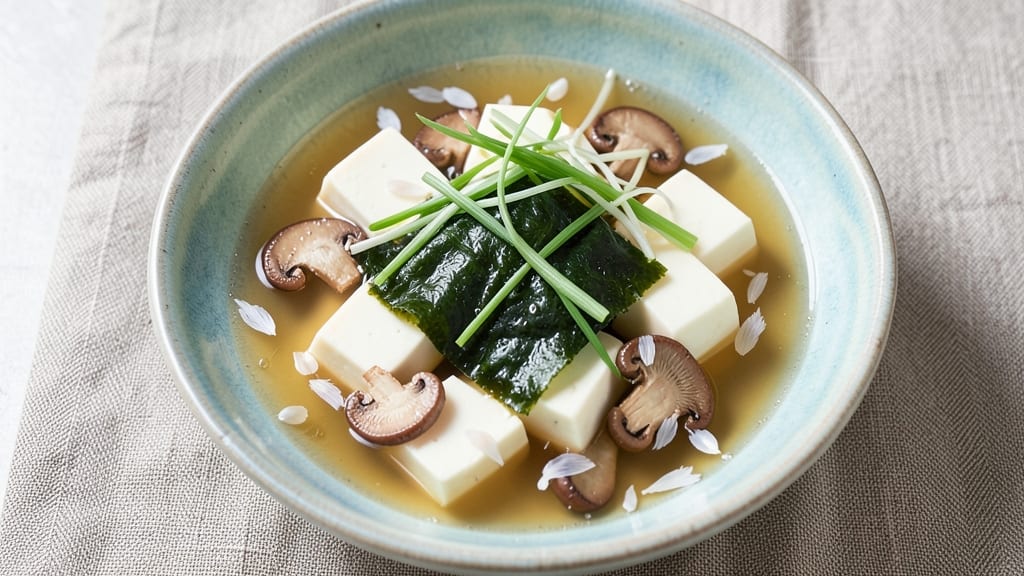
This traditional dashi soup recipe captures the essence of Japanese home cooking—where delicate kombu seaweed and bonito flakes transform water into a fragrant, umami-rich foundation. The secret lies in proper steeping techniques that extract maximum flavor without bitterness, creating a broth so pure it elevates any dish.
I've perfected this method over years of testing, balancing authenticity with approachability for home cooks.
The beauty of dashi is its versatility—this basic broth serves as the cornerstone for miso soup, ramen, or rice dishes, yet requires just three core ingredients: kombu, bonito flakes, and water. For a vegetarian version, shiitake mushrooms replace bonito while maintaining that signature depth.
What makes this recipe special is how it transforms simple ingredients into something restaurant-quality through precise timing and temperature control.
By the time you finish, you'll have a silky, golden broth with a delicate aroma that fills your kitchen—proof that Japanese comfort food doesn't require complicated techniques. The texture is light yet substantial, with just the right balance of saltiness and sweetness that defines umami.
Top with silky tofu, crisp green onions, or tender wakame for a complete bowl that's both nourishing and deeply satisfying.
Whether you're preparing for a traditional Japanese meal or simply craving something comforting, this dashi soup delivers authentic flavor with minimal effort. The method scales perfectly for small batches or large gatherings, making it equally suitable for weeknight suppers or special occasions.
Let's create this foundational Japanese dish together—step by step.
Ingredients for dashi soup
Three core ingredients transform water into restaurant-quality umami broth—delicate kombu, aromatic bonito, and silky mushrooms.
| Ingredient | Amount | Notes |
|---|---|---|
| Kombu Seaweed 🍃 | 1 sheet | Dried, 7-inch variety preferred |
| Bonito Flakes 🐟 | ¼ cup | High-quality, unsmoked flakes |
| Shiitake Mushrooms 🍄 | ½ lb | Fresh or rehydrated dried |
| Water 💧 | 4 cups | Filtered preferred for clarity |
| Silken Tofu 🧀 | 8 oz | Extra-firm for texture contrast |
| Green Onions 🧅 | 3 whole | Thinly sliced, white and green parts |
| Wakame Seaweed 🍃 | ¼ cup | Dried, rehydrated in hot water |
| Sesame Oil 🫒 | 1 tsp | Toasted, for finishing |
| Diamond Crystal Kosher Salt 🧂 | ½ tsp | Adjust to taste |
| Dried Shiitake Mushrooms 🍄 | 4 whole | For vegetarian version |
| Miso Paste 🍶 | 1 tbsp | White or red, optional topping |
The quality of your kombu and bonito makes all the difference. Japanese specialty stores or high-end Asian markets carry premium dried kombu sheets—look for vibrant color and no visible cracks. Marukome or Hekuran brands are industry standards for bonito flakes, offering a cleaner, more aromatic profile than budget options. For shiitake mushrooms, fresh is ideal but dried works beautifully when rehydrated. If using dried, soak them in hot water for 20 minutes before adding to the broth. The water should be filtered or at least left to sit overnight to remove chlorine, which can mute the broth's delicate flavors.
No bonito flakes? Dried shiitake mushrooms provide an excellent vegetarian alternative, though the flavor profile shifts slightly toward earthiness. For a more neutral umami base, kelp powder can be substituted at half the amount of kombu. The wakame seaweed requires rehydration—simply cover with hot water for 5 minutes until pliable. If you're short on time, pre-cut green onions from the produce section work fine, though fresh-cut adds a brighter finish. The miso paste, if using, should be high-quality Japanese miso—avoid instant or powdered versions for this application.
This broth develops maximum flavor when prepared fresh, but it keeps beautifully in the refrigerator for 3-4 days if stored in an airtight container. For longer storage, freeze in ice cube trays—each cube makes an excellent quick addition to ramen or rice dishes. The silken tofu should be added just before serving to maintain its delicate texture. If prepping ahead, store it separately and warm gently in the broth before serving. The wakame and green onions can be added together during the final minute of simmering to preserve their vibrant colors.
Why You'll Love This Recipe
- Foolproof Simplicity: I swear by this recipe because it’s the kind of soup that lets you not stress. Soak kombu overnight, simmer bonito flakes for 10 minutes—no chopping, no peeling, no mess. Honestly, my busiest mornings still end with a steaming bowl because it’s that unfussy.
- Umami Bomb: That first sip? Pure flavor magic. The kombu gives this broth a deep, savory richness, while the bonito flakes add a smoky, almost meaty depth—no heavy cream or fancy seasonings needed. Between us, it’s the kind of taste that makes you pause mid-slurp.
- Meal Prep MVP: Make a big batch on Sunday, and you’ve got lunch or dinner covered for days. Toss in shiitake mushrooms and tofu for heartiness, or keep it light for a quick reset. I’ve served it cold as a summer noodle broth, hot with rice for winter—it’s my go-to for anything.
- Budget Magic: A handful of kombu and bonito flakes stretch into gallons of broth, and shiitake mushrooms add luxury for pennies. Leftovers? Even better—freeze it and thaw for instant soup later. My wallet and my freezer thank me every time.
Step-by-step instructions for dashi soup with umami depth
Master this foundational Japanese technique for a clean, aromatic broth that forms the heart of countless dishes.
Prepare the Kombu and Water Base
Place the 1 sheet Kombu Seaweed in a clean stockpot and cover it completely with the 4 cups Water. I prefer filtered water here as it reduces any metallic taste that can interfere with the delicate umami profile. Bring to a gentle simmer over medium-low heat—never a rolling boil. You'll notice the kombu releases its natural oils and creates a subtle, oceanic aroma within 5-7 minutes.
Simmering too vigorously causes the kombu to break down too quickly, which can make the broth bitter. Once small bubbles form around the edges and the water reaches 160°F, remove the kombu immediately with tongs. The broth should now have a pale golden hue and a faint seaweed fragrance. Discard the kombu—it's done its job.
Infuse with Bonito Flakes for Depth
Return the heat to medium-low and add the 0.25 cup Bonito Flakes to the simmering kombu broth. The flakes will begin to sizzle and release their signature aroma within 30 seconds. Here's the thing—don't stir during this initial phase. Letting the flakes settle and infuse naturally prevents bitterness from developing.
Simmer for exactly 2 minutes—any longer risks over-extraction and a fishy taste. You'll see the flakes dissolve into the broth, creating a cloudy, golden liquid with a rich umami aroma. Strain immediately through a fine-mesh sieve into a clean pot, pressing gently on the solids to extract every last drop of flavor. The strained broth should be clear with just a hint of golden color.
Incorporate Mushrooms and Vegetables
In a separate bowl, rehydrate the 0.25 cup Wakame Seaweed and 4 whole Dried Shiitake Mushrooms by soaking them in 1 cup hot water for 10 minutes. The wakame will swell dramatically while the dried shiitake regain their meaty texture. Drain, reserving the soaking liquid, and add both to the strained dashi broth along with the 0.5 lb Shiitake Mushrooms (if using fresh) and 3 whole Green Onions (thinly sliced).
Simmer this mixture for 8-10 minutes until the shiitake mushrooms soften and the green onions become tender. The broth should now carry a complex aroma combining seaweed, umami from the mushrooms, and a subtle sweetness from the onions. Season with the 0.5 tsp Diamond Crystal Kosher Salt, adjusting to taste—this balances the natural saltiness of the dashi.
Finish with Silken Tofu and Miso
Gently fold the 8 oz Silken Tofu (cut into small cubes) into the warm broth using a silicone spatula. The tofu should disperse evenly, creating delicate swirls that add a luxurious texture. Off the heat, stir in the 1 tbsp Miso Paste until fully dissolved. The miso will deepen the broth's color to a rich amber and intensify its umami character.
Finish with a drizzle of 1 tsp Sesame Oil just before serving. This adds a nutty aroma and subtle warmth that complements the broth's complexity. Ladle into bowls immediately—dashi is best enjoyed fresh when its delicate flavors are at their peak.
Serve with Precision Timing
Present the soup while still steaming hot, as the temperature enhances its aromatic qualities. The broth should coat the back of a spoon with a silky texture, while the silken tofu cubes provide a contrasting mouthfeel. Each spoonful should deliver layers of umami from the kombu and bonito, earthy notes from the mushrooms, and a bright finish from the green onions.
For optimal freshness, serve within 30 minutes of preparation. The dashi's delicate balance begins to degrade after this window, particularly the silken tofu which can become waterlogged. Pair with steamed rice and grilled fish for an authentic Japanese meal experience.
Pro Tips For Making Dashi Soup
- SOAK KOMBU FIRST: I learned this the hard way—dry kombu straight into hot water turns bitter. Instead, give that strip a 10-minute soak in cold water before adding heat. The edges will soften just enough to release flavor without overpowering the broth.
- REMOVE KOMBU EARLY: The moment your water hits a gentle simmer, pull out that kombu. Leaving it too long makes the broth taste like seaweed soup instead of clean, umami-rich dashi. Trust me, your soup will thank you—it’s subtle but noticeable.
- USE FRESH BONITO: That "dried bonito flakes" label doesn’t mean much—some brands are old or dusty. For real depth, toast your own bonito flakes in a dry pan for 30 seconds until fragrant, then add them just before turning off the heat. The difference is like swapping flat soda for a freshly cracked can.
- CUT MUSHROOMS LAST: Skip pre-slicing shiitake—rehydrating them in the simmering broth keeps them tender without turning to mush. Toss them in whole for 5 minutes, then slice right into the bowl. Yes, it’s messier, but the texture stays perfect.
Troubleshooting this recipe
Broth Too Bitter?
Over-simmering the kombu is the #1 cause of bitterness. Remove the kombu immediately when you see bubbles form around the edges (5-7 minutes max). I've ruined batches by letting it cook too long—trust your nose, not the clock. The broth should smell oceanic, not burnt. 🌊
Bonito Flakes Too Fishy?
This happens when flakes simmer too long or are low quality. Use Marukome brand bonito flakes and never exceed 2 minutes of simmer time. Strain immediately after—don't let the flakes linger. For a milder taste, reduce to 0.125 cup flakes and add 1 tsp dried shiitake powder instead.
Mushrooms Not Soft Enough?
Fresh shiitake need 8-10 minutes of simmering to tenderize properly. If they're still firm, add 2 tbsp hot water and cover the pot for 5 more minutes off direct heat. For dried shiitake, soak them 15 minutes before adding to ensure proper rehydration. 🍄
Broth Too Cloudy?
This indicates incomplete straining or using old kombu. Always use a fine-mesh sieve and press gently on solids. For ultra-clear broth, strain twice through a cheesecloth-lined sieve. Fresh kombu (1-2 weeks old) yields clearer results than dried sheets stored longer.
Wakame Not Rehydrating?
Use water just below boiling (190°F) for wakame—too hot can make it mushy. Soak for 5-7 minutes max. If using dried wakame, rinse briefly before soaking to remove any grit. The wakame should swell to 3-4x its original size—if not, extend soak time by 2 minutes.
Tofu Too Waterlogged?
Add silken tofu to broth only when it's 185°F—hotter temps break down its texture. For extra firmness, chill the tofu 30 minutes before adding. If using pre-cubed tofu, pat dry with paper towels to remove surface moisture before folding into broth. 🧀
Nutrition facts
Frequently asked questions
What's the difference between dashi and miso soup?
Dashi is the aromatic broth base made from kombu, bonito, or mushrooms, while miso soup adds fermented soybean paste to create its distinctive thick, savory texture. This recipe starts with dashi but incorporates miso paste at the end for depth. The broth alone serves as a foundation for countless Japanese dishes beyond just soup.
Can I make dashi without bonito flakes?
For a vegetarian version, replace bonito with 1 tbsp dried shiitake powder or 4 rehydrated dried shiitake mushrooms. The flavor shifts toward earthy umami, but maintains that essential savory depth. Kombu alone creates a lighter "awase dashi" when combined with mushrooms instead of fish.
How long can I store leftover dashi broth?
Fresh dashi keeps in an airtight container in the refrigerator for 3-4 days or up to 3 months when frozen in ice cube trays. The silken tofu and toppings should be added fresh to maintain texture. For longer storage, freeze the strained broth separately—it makes an excellent base for future ramen or rice dishes.
Why does my dashi smell fishy?
Overcooking bonito flakes or using low-quality ingredients causes that strong fish odor. Always simmer bonito for exactly 2 minutes and strain immediately. For milder flavor, reduce flakes to 0.125 cup or substitute with 1 tsp kombu powder instead. Fresh kombu (under 2 weeks old) also makes a cleaner-tasting broth.
What's the best way to reheat dashi?
Gently warm dashi on the stove over low heat to 185°F—never boil. Reheat only the broth without toppings, then add fresh silken tofu and green onions just before serving. Microwaving can make the broth taste flat, and boiling destroys its delicate umami balance. For best results, reheat only what you'll use immediately.