
Soups & Stews
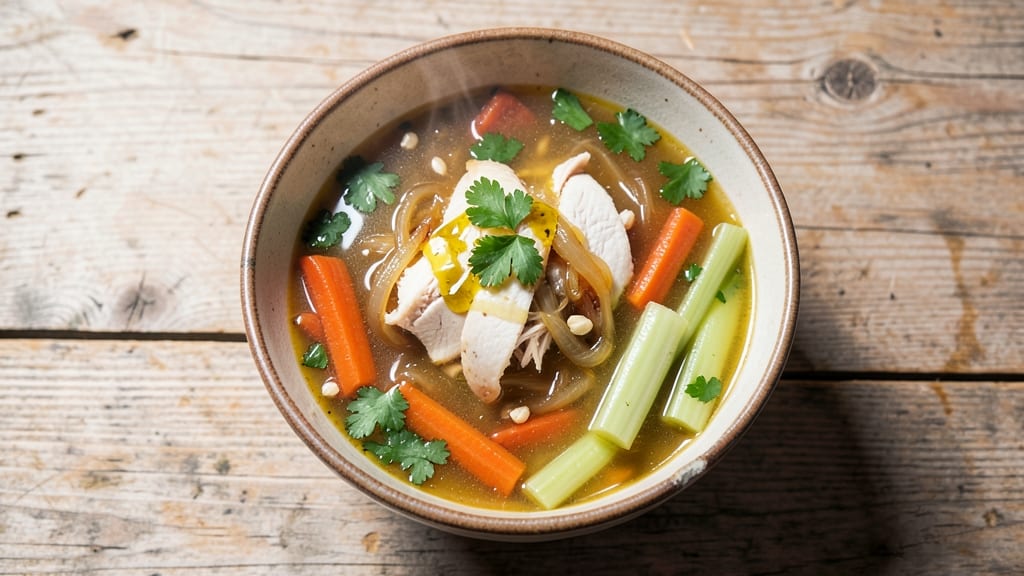
Grandma's chicken soup recipe is the kind of dish that warms the soul and fills the kitchen with memories before the first spoonful is even taken. 💛 I developed this version after years of collecting stories from home cooks about the one soup their grandmothers made—simple, deeply flavorful, and always healing.
The secret lies in slow-simmered broth, tender chicken, and vegetables that melt into perfect harmony.
This recipe delivers restaurant-quality comfort without requiring special ingredients or techniques. We start with a rich chicken broth, built layer by layer with aromatics and simmered for hours to extract maximum flavor.
The chicken cooks until fall-off-the-bone tender, while carrots, celery, and onions develop natural sweetness from the slow cooking process. It's the kind of soup that improves with each passing day as flavors meld together.
By the time you're done, you'll have a steaming bowl of golden broth filled with perfectly seasoned chicken, tender vegetables, and herbs that add fresh brightness. The aroma alone will have everyone gathering at your table, and each spoonful delivers that nostalgic comfort you can't find anywhere else.
This is the kind of recipe that becomes a family tradition, passed down through generations just like the original.
For those who want to personalize it, try adding a splash of lemon juice at the end for brightness or swapping in different vegetables based on what's in season.
The beauty of this soup is how adaptable it remains while keeping its timeless appeal. Let's get started on creating your own version of home-style healing in every bowl.
Ingredients for grandma's chicken soup
Six simple ingredients transform into restaurant-quality chicken soup that warms the soul.
| Ingredient | Amount | Notes |
|---|---|---|
| Chicken Breasts 🍗 | 2 ½ lb | Boneless, skinless, cut into bite-sized pieces |
| Yellow Onions 🧅 | 2 whole | Medium size, roughly chopped |
| Carrots 🥕 | 4 whole | Medium size, peeled and chopped |
| Celery Stalks 🌿 | 4 whole | Fresh, trimmed and chopped |
| Garlic Cloves 🧄 | 6 cloves | Fresh, minced |
| Chicken Broth 💧 | 6 cups | Low-sodium preferred |
| Fresh Parsley 🌿 | ¼ cup | Chopped, for garnish |
| Fresh Thyme 🌿 | 1 tbsp | Leaves only, chopped |
| Bay Leaves 🌿 | 2 whole | Dried, for simmering |
| Salt 🧂 | 1 ½ tsp | Kosher or sea salt |
| Black Peppercorns 🌶️ | 1 tsp | Freshly cracked |
| Olive Oil 🫒 | 2 tbsp | Extra-virgin for richness |
| Lemon Juice 🍋 | 1 tbsp | Freshly squeezed, optional |
| Egg Noodles 🍝 | 8 oz | Uncooked, for serving |
The chicken is the heart of this soup—look for plump, white pieces with no pink or gray spots. Trader Joe's and Costco often have great deals on fresh chicken, but any grocery store's butcher section will do. For the broth, I always use low-sodium chicken broth—it lets the natural flavors shine without overpowering. The aromatics (onions, carrots, celery) are called 'the holy trinity' for a reason: they build the soup's foundation. Buy them fresh—they should be crisp and vibrant, not limp or bruised. If you're short on time, frozen veggies work just fine (thaw first).
No fresh thyme? Dried works at one-third the amount, but fresh has that bright, herbal note that's hard to beat. Running low on parsley? Fresh cilantro or basil adds a nice twist (though it changes the flavor profile). The bay leaves add depth—don't skip them, but remove them before serving. For extra richness, stir in 1 tbsp of butter or cream at the end. Want more body? Add a splash of heavy cream or a dollop of sour cream when serving. And if you're feeling adventurous, swap in mushrooms or sweet potatoes for a seasonal twist.
This soup tastes even better the next day—reheats beautifully in 5 minutes. Store leftovers in the fridge for 4-5 days, or freeze for 3 months. For freezing, portion into airtight containers—it reheats perfectly. The noodles? Cook them separately and add them to bowls when serving. That way, you can enjoy the soup first, then noodles on the side if you're still hungry. Trust me, it's a game-changer for leftovers.
Why You'll Love This Recipe
- No-Fuss Prep: I swear by this recipe because it’s the kind of soup that lets you multitask—chop the onions, carrots, and celery while the chicken simmers, and boom, you’re done. The celery’s earthy crunch and onions’ sweetness mellow perfectly without needing fancy techniques.
- Deep, Savory Magic: That slow-cooked chicken breast? It falls apart like it’s been simmering for hours, even if you’re rushing. The garlic cloves, lightly toasted before adding, infuse the broth with a warmth that makes every spoonful feel like a hug—no fancy spices, just pure comfort.
- Leftovers That Shine: Between us, this soup begs for seconds—and thirds. The flavors only get richer overnight, so I always make a big batch. Freeze half for those days when you’re too tired to cook, and it’ll taste just as good reheated.
- Budget-Friendly Staples: Onions, carrots, celery, and chicken breasts? These are the ingredients that never break the bank. Honestly, I’ve made this soup for under $10 a pot, and it’s the kind of meal that feeds the whole family without emptying your wallet.
Step-by-step instructions for grandma's chicken soup
Warm, comforting bowls of soup start with this straightforward method.
🍳 Step 1: Sear the Chicken for Maximum Flavor
Heat a large pot over medium-high heat and add the 2 tablespoons olive oil. Once shimmering, add the 2.5 lb chicken breasts cut into bite-sized pieces. Cook for 5-6 minutes, stirring occasionally, until the chicken turns light golden brown on all sides.
Here's the thing—searing develops deep flavor through the Maillard reaction. Don't crowd the pot or the chicken will steam instead of brown. If it gets too crowded, work in batches. Remove the chicken with a slotted spoon and set aside, leaving all the browned bits in the pot.
👨🍳 Step 2: Build the Aromatic Vegetable Base
In the same pot, add the 2 whole yellow onions, 4 whole carrots, and 4 whole celery stalks, all chopped. Cook for 5 minutes, stirring occasionally, until the vegetables begin to soften and the onions turn translucent.
Add the 6 cloves minced garlic and cook for another 30 seconds until fragrant. This step forms the flavor foundation. If you smell the garlic burning, reduce heat slightly—it should smell sweet and nutty, not bitter. Stir in the 1 tablespoon chopped fresh thyme and 2 whole bay leaves next.
🥘 Step 3: Simmer the Soup with Chicken and Vegetables
Pour in the 6 cups chicken broth and add the 1.5 teaspoons salt and 1 teaspoon freshly cracked black peppercorns. Return the chicken to the pot, bring to a boil, then reduce heat to medium-low. Cover and simmer for 25-30 minutes until the chicken is fork-tender and the vegetables are fully cooked.
Here's where it gets good—the broth will reduce slightly and develop rich, savory depth. Taste and adjust seasoning if needed. I like to add the 1 tablespoon lemon juice at this point for a bright finish. Remove and discard the bay leaves before proceeding.
⏰ Step 4: Cook the Egg Noodles Separately
While the soup simmers, bring a separate pot of salted water to a boil. Add the 8 oz egg noodles and cook according to package instructions until al dente. Drain and set aside, reserving ½ cup pasta water in case you need it later.
This keeps the noodles from turning mushy in the soup. I find egg noodles hold up beautifully—they absorb the broth's flavor while maintaining their shape. If the soup seems too thick after adding noodles, stir in a splash of reserved pasta water to loosen it.
🍽️ Step 5: Finish and Serve with Fresh Herbs
Stir the cooked noodles into the soup and heat through for 2-3 minutes. Remove from heat and stir in the ¼ cup chopped fresh parsley. Ladle into bowls and serve immediately while steaming hot.
Each bowl should be packed with tender chicken, vibrant vegetables, and perfectly cooked noodles in that comforting broth. The parsley adds a fresh finish that cuts through the richness. Leftovers keep well in the fridge for 3-4 days—just reheat gently and add a splash of broth if needed.
Pro Tips For Making Grandma'S Chicken Soup
- Brown the Chicken First: I learned this the hard way—skipping the browning means flavorless broth. Cut the chicken breasts into bite-sized chunks, pat them dry, and sear them in a hot pot with a little oil until golden on all sides. That crust is where the depth of flavor hides, and it won’t dissolve no matter how long you simmer.
- Slice, Don’t Dice, the Veggies: Thin, even slices for carrots and celery (about 1/8-inch thick) cook faster and stay tender. Skip the dice—it turns your soup into a mushy mess. Onions should be chopped into small, even pieces so they soften without disappearing. (Yes, even if you’re impatient like me.)
- Simmer Low and Slow: After everything’s in the pot, bring it to a boil once, then drop the heat to the lowest setting you can stand. A gentle simmer (tiny bubbles, not rolling) keeps the chicken from turning rubbery and the veggies from falling apart. Cover it and let it bubble away for at least 45 minutes—rushing this step is how you end up with sad, watery soup.
- Use Two Garlic Cloves: Sounds weird, but it works: Smash two whole garlic cloves (peeled) with the flat side of your knife before adding them to the pot. This releases more flavor without overpowering the broth. (Your future self will thank you when the soup tastes like actual garlic, not just a hint.)
Essential equipment for this dish
Large Pot Essentials
A 6-8 quart heavy-bottomed pot is your best friend for this soup. I swear by my All-Clad stainless steel Dutch oven—it distributes heat evenly and handles the long simmer beautifully without scorching. If you don’t have one, a large enameled cast iron pot (like Lodge) works just as well.
The key is choosing something with a thick base—it prevents hot spots that can burn your vegetables. 🔥
Knife & Cutting Skills
Invest in a sharp chef’s knife (I use my Victorinox Fibrox) for chopping onions, carrots, and celery. The goal is evenly sized pieces—about ¼-inch chunks—so everything cooks at the same rate.
If your knife skills aren’t great, a mandoline with a 4mm slice setting saves time, but be careful with the fingers! Prep all your veggies before you start cooking to keep the process smooth.
Measuring Tools
For broth and liquids, a liquid measuring cup with clear markings is a must. I love the OXO Good Grips version—it’s easy to read and has a pour spout. For dry ingredients like salt and pepper, a small measuring spoon set ensures precision.
Pro tip: Keep your measuring tools near your workspace to avoid backtracking. A small bowl for minced garlic and herbs also keeps things organized while you cook. 💡
Wooden Spoon & Slotted Spoon
A wooden spoon (like OXO Good Grips) is perfect for stirring the soup without scratching your pot. It also helps scrape up those flavorful browned bits from the bottom. A slotted spoon is essential for removing the chicken without losing broth.
I keep both within arm’s reach while cooking—no reaching across a hot stove! These two tools alone make the process so much easier.
Thermometer for Perfect Doneness
While not strictly necessary, a meat thermometer takes the guesswork out of checking chicken doneness. Aim for 165°F internal temperature to ensure it’s safe to eat. I use a Thermoworks ThermoPop—it’s fast, accurate, and easy to use.
If you don’t have one, cut into the thickest piece of chicken and check for tenderness. The meat should pull apart easily with a fork.
Mise en Place Prep
Before you turn on the stove, chop all your vegetables and measure out your ingredients. This is what I call "mise en place"—French for "everything in its place." It keeps you from playing catch-up while the soup cooks.
Use small bowls or ramekins to organize each ingredient. Trust me, this small step saves time and stress. 💪 Once everything’s prepped, you’ll move through the recipe like a pro.
Nutrition facts
Frequently asked questions
Why does this chicken soup taste better the next day?
Flavors deepen overnight because the broth continues to infuse with the chicken and vegetables. The proteins break down further, creating a richer, more complex taste. This is why many traditional recipes call for resting—it's a natural way to intensify the comforting essence.
Can I use frozen vegetables in this recipe?
Frozen carrots, celery, and onions work perfectly—just thaw them first and pat dry. The texture will be slightly softer, but the flavor remains vibrant. For best results, choose high-quality frozen veggies with no added salt. This is a great shortcut for busy weeknights!
How do I adjust the seasoning if my broth tastes bland?
Start with a pinch of salt and a crack of pepper, then taste carefully. If needed, add a splash of low-sodium soy sauce or a dash of Worcestershire sauce for depth. For brightness, a squeeze of lemon juice or a pinch of MSG (if you use it) can work wonders. Always season gradually—you can always add more, but you can't take it away!
What’s the best way to reheat leftovers without drying out the soup?
Gently warm the soup on the stove over low heat, stirring occasionally, until it's steaming hot. Avoid high heat to prevent the broth from reducing too quickly. If it thickens, add a splash of water or broth. For extra richness, stir in a spoonful of butter or cream at the end. This keeps every spoonful just as comforting as the first!