
Soups & Stews
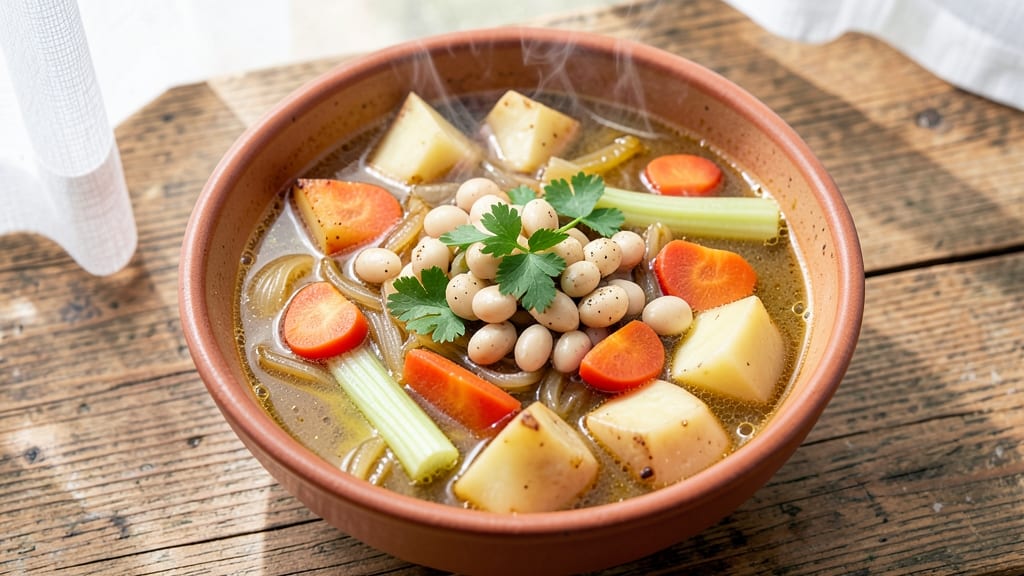
Grandma’s vegetable soup recipe is the kind of dish that transforms a simple pot of broth into something deeply comforting and nostalgic.
There’s nothing quite like the aroma of onions caramelizing in olive oil, the clatter of wooden spoons stirring vegetables, and the way a well-simmered broth pulls together humble ingredients into a meal that feels like a hug.
My grandmother used to say, "The secret isn’t in fancy ingredients—it’s in the time and care you put into it," and she was right.
This recipe relies on pantry staples—carrots, celery, onions, potatoes, and maybe a can of beans or lentils for protein—all simmered in a rich broth until tender. The key is patience: letting the vegetables soften slowly while developing deep, savory flavors.
A pinch of bay leaf, a splash of vinegar, or even a sprinkle of dried herbs can elevate it from ordinary to extraordinary, just like Grandma’s touch.
What you’ll end up with is a hearty, flavorful soup that’s perfect for chilly afternoons or as a base for a cozy meal. The vegetables will be fork-tender, the broth will be infused with their natural sweetness, and the aroma will fill your kitchen with warmth.
It’s the kind of soup that pairs beautifully with crusty bread, a sprinkle of fresh parsley, or even a dollop of sour cream for extra richness.
Best of all, this recipe scales effortlessly—double it for a crowd or halve it for a quiet night in. The beauty of Grandma’s vegetable soup lies in its simplicity and adaptability, making it a staple that never goes out of style. Let’s get started!
Ingredients for grandma's vegetable soup
Pantry staples and simple vegetables create Grandma's comforting vegetable soup.
| Ingredient | Amount | Notes |
|---|---|---|
| Yellow Onion 🧅 | 1 ½ cups | Diced, about 1 large |
| Carrots 🥕 | 2 cups | Sliced into 1/4-inch pieces |
| Celery Stalk 🧅 | 3 whole | Sliced into 1/4-inch pieces |
| Russet Potatoes 🥔 | 2 lbs | Peeled and cubed |
| Canned White Beans 🥫 | 2 cups | Drained and rinsed |
| Vegetable Broth 💧 | 6 cups | Low-sodium preferred |
| Extra-Virgin Olive Oil 🫒 | ¼ cup | For sautéing vegetables |
| Garlic Cloves 🧄 | 4 cloves | Minced for depth of flavor |
| Bay Leaves 🌿 | 2 whole | Dried or fresh |
| Dried Thyme 🌿 | 1 tsp | Or 1 tbsp fresh |
| Salt 🧂 | 1 ½ tsp | Kosher or sea salt |
| Black Pepper 🌶️ | ½ tsp | Freshly ground |
| Apple Cider Vinegar 🍏 | 1 tbsp | Brightens the broth |
| Fresh Parsley 🌿 | ¼ cup | Chopped for garnish |
| Sour Cream 🥛 | ¼ cup | Optional for serving |
The onions, carrots, and celery form the aromatic base—sauté them slowly in olive oil until deeply caramelized. Whole Foods or local markets often carry the freshest produce, but any grocery store will do. For potatoes, Russets hold up best during long simmering. The white beans add protein without overpowering the vegetables—Great Northern or cannellini work beautifully. Fresh herbs like thyme and parsley elevate the dish, but dried will suffice in a pinch. When selecting broth, low-sodium options prevent excess saltiness, though you can always adjust later.
No fresh herbs? Dried thyme or oregano at half the amount works perfectly. Short on white beans? Lentils or chickpeas make excellent substitutes. The vinegar brightens the soup—lemon juice works too, but apple cider vinegar adds subtle sweetness. For extra richness, stir in a spoonful of nutritional yeast or a splash of heavy cream at the end. If you prefer a creamier texture, blend half the soup before serving. The potatoes should be peeled and cubed evenly so they cook uniformly—no one likes mushy bits.
This soup tastes even better the next day as flavors meld. Store leftovers in an airtight container in the fridge for up to 5 days. For longer storage, freeze portions for up to 3 months. Reheat gently on the stove with a splash of broth to restore creaminess. The parsley and sour cream are best added just before serving—fresh parsley wilts quickly, and the sour cream prevents curdling. Double the recipe and freeze half for a quick meal later.
Why You'll Love This Recipe
- No-Fuss Chopping: I swear by the "soak-and-slice" trick for celery—just drop it in cold water while I dice the onion and carrots. That crisp-tender bite from the celery? Worth the two minutes saved.
- Creamy Without Cream: The Russet potatoes break down into velvety chunks, and those white beans? They turn the broth into something rich and satisfying—no heavy cream, no butter, just pure comfort. Honestly, it’s the secret weapon in my soup rotation.
- Leftovers That Beg for More: This soup only gets better the next day. The potatoes soften just right, the flavors meld, and I’ve caught myself reheating it for lunch because it’s that good. My freezer’s full of portions because I can’t resist making double batches.
- Pantry Staple Magic: Between us, this recipe uses things you already have: onions, carrots, celery, potatoes, and a can of beans. No fancy ingredients, no last-minute grocery runs—just throw it together when you’re tired or broke or both. (Yes, even on a Tuesday night.)
Step-by-step instructions for Grandma's vegetable soup
Here's the method that delivers hearty, comforting soup with minimal effort.
Sauté the Vegetable Base
Heat the 0.25 cup extra-virgin olive oil in a large pot over medium heat. Add the 1.5 cups diced yellow onion, 2 cups sliced carrots, and 3 whole celery stalks sliced into ¼-inch pieces. Cook for 5-6 minutes, stirring occasionally, until the onions become translucent and the vegetables begin to soften.
This step builds flavor by drawing out moisture from the vegetables. You'll notice the carrots release their natural sugars, creating a subtle sweetness that balances the savory broth. If the vegetables stick, they're not ready—let them cook longer before adding the next ingredients.
Add Garlic and Seasonings
Stir in the 4 cloves minced garlic and cook for 30 seconds until fragrant. Add the 2 whole bay leaves, 1 teaspoon dried thyme, 1.5 teaspoons salt, and 0.5 teaspoon black pepper. Cook for another 1 minute, stirring constantly to distribute the seasonings evenly.
The garlic should sizzle gently without browning—this indicates it's ready. The spices will infuse the vegetables with their earthy aromas, creating the foundation for the soup's depth of flavor. Don't rush this step; proper seasoning is what makes homemade soup taste superior to canned versions.
Simmer with Potatoes and Beans
Pour in the 6 cups vegetable broth and bring to a boil. Add the 2 pounds peeled and cubed russet potatoes and 2 cups drained white beans. Reduce heat to medium-low and simmer for 15 minutes, stirring occasionally to prevent sticking.
After 15 minutes, check the potatoes with a fork—they should be tender but not completely falling apart. If they're still firm, continue simmering for another 5-10 minutes. The beans will soften slightly but maintain their shape, adding heartiness to the soup.
Finish and Adjust Seasoning
Stir in the 1 tablespoon apple cider vinegar and simmer for another 5 minutes. Remove the 2 whole bay leaves and taste the soup. Adjust seasoning if needed—this is where you can fine-tune the balance between savory, sweet, and tangy flavors.
The vinegar brightens the broth and cuts through any richness, giving the soup its signature homestyle tang. If the soup tastes too thin, let it simmer uncovered for 5-10 minutes to reduce slightly. For a thicker consistency, mash a few potato cubes with a fork to release starch.
Serve with Fresh Garnishes
Ladle the soup into bowls and top each serving with 0.25 cup chopped fresh parsley and a dollop of 0.25 cup sour cream (if using). The parsley adds freshness, while the sour cream provides a creamy contrast to the hearty vegetables.
Serve immediately while hot, with crusty bread for dipping. The sour cream should be added just before serving to maintain its texture. This soup tastes even better the next day, so consider making a double batch for leftovers.
Pro Tips For Making Grandma'S Vegetable Soup
- Sweat, Don’t Burn: The onion, celery, and carrots (your "holy trinity") need to soften, not turn to charcoal. Keep the heat at medium and stir every 30 seconds—if you walk away, you’ll regret it. I learned this the hard way when my soup tasted like a campfire.
- Cut Potatoes Evenly: Russets break apart when overcooked, so slice them into 1-inch chunks—big enough to hold shape but small enough to soften fast. Uneven pieces mean some will turn to mush while others stay rock-hard. (Yes, even if you’re impatient like me.)
- Drain Beans, Rinse Well: Canned beans are packed in salty brine, which can make your soup taste like a swimming pool. Drain them, give them a quick cold-water rinse, and taste before adding—you’ll save yourself a pinch of salt later. Trust me, your future self will notice.
- Simmer, Don’t Boil: Once everything’s in the pot, keep the heat low enough that tiny bubbles just break the surface—no violent rolling. Boiling turns carrots to mush and makes potatoes mealy. Grandma’s soup had texture, not glue. (And yes, it takes longer, but it’s worth it.)
Perfect pairings for this recipe
Crusty Bread Pairing
Grandma’s vegetable soup is a match made in heaven with crusty bread—the perfect vehicle for soaking up every last drop of that flavorful broth. I recommend a baguette or sourdough from your local bakery for that ideal crispy crust and soft interior.
For extra flair, lightly toast the bread and rub it with a garlic clove before serving. The contrast of warm, chewy bread against the cool soup is pure comfort. 🥖
Cheesy Toppings
Add a rich, tangy element with a sprinkle of sharp cheddar or Parmesan cheese on top. I like to use Parmigiano-Reggiano for its nutty depth—just grate ¼ cup over each bowl.
For a creamy twist, try goat cheese or feta crumbles, which add a bright, briny contrast to the hearty vegetables. If you’re feeling adventurous, mix in a little nutritional yeast for a cheesy, umami boost. 🧀
Herb-Infused Oils
Drizzle the soup with herb-infused olive oil for an elegant finish. My go-to is a mix of extra-virgin olive oil and finely chopped fresh herbs—I use ½ cup parsley + 1 tbsp chives for a fresh, bright flavor.
For a smoky touch, swap in infused oil with smoked paprika or rosemary. A light drizzle adds richness without overpowering the soup’s natural flavors. 🌿
Pickled Vegetables
Pickled vegetables add a tangy crunch that cuts through the soup’s heartiness. I love thinly sliced pickled red onions or quick-pickled radishes—just toss ½ cup sliced onions with 1 tbsp vinegar + 1 tsp sugar for 10 minutes.
The acidity brightens the dish and introduces a refreshing contrast. For extra texture, try pickled jalapeños if you enjoy a little heat. 🌶️
Warm Beverage Pairings
Pair your soup with a warm, comforting drink to complete the cozy experience. A cup of chamomile tea or ginger tea complements the soup’s earthy flavors beautifully. For something heartier, try a mug of hot cocoa or a spiced apple cider—the warmth enhances the soup’s nostalgic appeal.
If you prefer coffee, a dark roast with a splash of cream balances the soup’s richness. ☕
Extra Protein Add-Ins
Boost the meal with a protein side like grilled chicken breast or crispy roasted chickpeas. I often serve shredded rotisserie chicken on the side for a quick, protein-packed addition.
For vegetarians, toasted pumpkin seeds or crumbled tempeh add texture and crunch. These toppings turn the soup into a full, satisfying meal without overcomplicating the dish. 🍗
Nutrition facts
Frequently asked questions
Can I make this soup without potatoes?
Swap the potatoes for 1 cup diced sweet potatoes or 2 cups chopped kale for a different texture. You could also add 1 cup chopped butternut squash or 2 cups green beans—just adjust the cooking time to 10-15 minutes longer if needed. The key is maintaining a balance of soft and slightly crisp vegetables.
How do I make this soup thicker?
For a thicker consistency, mash 2-3 potato cubes with a fork to release starch, then stir back into the soup. Alternatively, simmer uncovered for 5-10 minutes to reduce the broth. If you prefer it creamier, stir in ¼ cup cornstarch mixed with 2 tablespoons cold water and simmer for 2 minutes until thickened.
Can I use dried beans instead of canned?
Yes, but soak them overnight first! Use 1 cup dried white beans (about 3 cups cooked) and add them to the pot with the broth. Simmer for 1 hour until tender, then proceed with the recipe. For faster results, use the quick-soak method: boil beans for 2 minutes, then let them sit off heat for 1 hour before cooking.
Why does my soup taste bland?
Most likely, it needs more seasoning or time to develop flavor. Taste and adjust with salt, pepper, or a splash of vinegar—the acidity brightens the broth. For deeper flavor, let the soup sit off heat for 10 minutes before serving, or add 1 teaspoon soy sauce or ½ teaspoon smoked paprika while cooking. Grandma’s secret? Patience—simmering longer lets flavors meld.
Can I freeze this soup?
Let the soup cool completely, then transfer to an airtight container or freezer bag, leaving 1-inch headspace for expansion. It freezes for up to 3 months. Thaw overnight in the fridge, then reheat on the stove with a splash of broth to restore creaminess. Avoid refreezing thawed soup.