
Soups & Stews
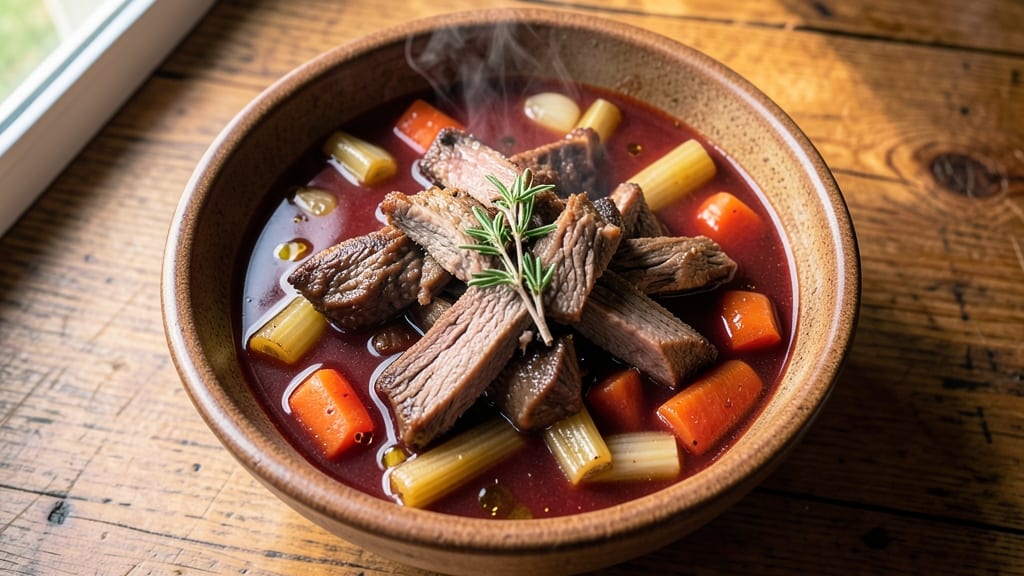
Turn that leftover prime rib into today’s velvety masterpiece with this foolproof leftover prime rib soup recipe—a holiday kitchen hack that’s rich, satisfying, and effortless.
The secret lies in deglazing that flavor-packed roasting pan—where every browned bit holds the essence of yesterday's roast—then building a broth so deep and savory it turns leftovers into a centerpiece dish.
This isn't just soup; it's a second act for your prime rib that delivers restaurant-quality depth with minimal effort.
The process begins with that crucial deglazing step, where you'll coax every last drop of caramelized fond from the pan using red wine and beef broth. I've found that adding a splash of Worcestershire sauce at this stage unlocks layers of umami that elevate the entire soup.
As the broth simmers, you'll incorporate tender vegetables—carrots, celery, and onions—that soak up all that rich flavor while maintaining their natural sweetness. The prime rib itself gets shredded into tender strands that melt into the broth, creating a texture that's both comforting and elegant.
What you'll end up with is a soup that's impossibly rich yet balanced—deeply savory from the prime rib, brightened just enough by fresh herbs and a touch of lemon zest.
The aroma alone will have everyone gathering at your table, while each spoonful delivers that perfect harmony of meaty richness and vegetable sweetness. This is the kind of soup that transforms ordinary leftovers into an extraordinary meal, proving that sometimes the best dishes come from what's already in your fridge.
Serve it with crusty bread for soaking up every last drop of that velvety broth, or pair it with a simple green salad to cut through the richness.
The beauty of this recipe is its versatility—it works as a hearty lunch, a comforting dinner, or even a make-ahead dish for busy weeknights. Let's turn those leftovers into something truly special.
Ingredients for leftover prime rib soup
Rich leftovers meet aromatic vegetables and deep umami flavors in this velvety prime rib soup.
| Ingredient | Amount | Notes |
|---|---|---|
| Leftover Prime Rib 🥩 | 1 ½ lb | Shredded into bite-sized pieces |
| Red Wine 🍷 | ½ cup | Bold dry variety like Cabernet |
| Beef Broth 💧 | 4 cups | Homemade or quality low-sodium |
| Worcestershire Sauce 🍯 | 1 tbsp | For umami depth |
| Carrots 🥕 | 1 ½ lb | Peeled and sliced into rounds |
| Celery Stalks 🧅 | 4 whole | Trimmed and chopped |
| Yellow Onion 🧅 | 1 whole | Diced medium-fine |
| Fresh Thyme 🌿 | ¼ cup | Leaves only, stems removed |
| Garlic Cloves 🧄 | 4 cloves | Peeled and smashed |
| Tomato Paste 🍅 | 2 tbsp | Smooth, not chunky |
| Lemon Zest 🍋 | 1 tbsp | Freshly grated |
| Kosher Salt 🧂 | 1 ½ tsp | Adjust to taste |
| Freshly Ground Black Pepper 🌶️ | ½ tsp | For finishing |
| Extra-Virgin Olive Oil 🫒 | 1 tbsp | For deglazing pan |
| Crusty Bread 🍞 | ½ loaf | For serving (optional) |
That prime rib is the star, so don't skimp on quality—any leftover pieces work, but look for well-marbled meat that's still tender. Costco and Whole Foods often have excellent prime rib cuts, but any grocery store's roast beef section will do. The red wine should be bold—Cabernet Sauvignon or Merlot work best, whatever's open in your cabinet. For the broth, homemade is ideal but low-sodium store-bought saves time. The carrots and celery should be fresh—bright orange and crisp for carrots, tight stalks for celery. If using frozen veggies, thaw them first for even cooking.
No red wine? Substitute with extra beef broth plus 1 tbsp balsamic vinegar—it adds depth without alcohol. Fresh thyme is best, but dried thyme at one-third the amount works in a pinch. The tomato paste can be skipped if you prefer a clearer broth, but it adds that restaurant-quality richness. For the Worcestershire, Lea & Perrins is the classic choice, but any brand works. The lemon zest brightens everything—use a microplane for maximum flavor. If you're short on time, pre-chop all vegetables while the soup simmers.
This soup tastes even better the next day as flavors meld. Store in an airtight container for up to 5 days in the fridge or 3 months frozen. I always make a double batch—freeze half immediately for lazy weeknights. The broth thickens as it cools, so add a splash of water or broth when reheating. Serve with that crusty bread to soak up every last drop of that meaty, velvety goodness. Leftovers reheat beautifully—just stir in a splash of water if it's too thick.
Why You'll Love This Recipe
- No-Waste Magic: I swear by this trick—turning yesterday’s prime rib into today’s star. No extra shopping, no fuss, just that rich, tender meat getting a second life in a simmering pot.
- Red Wine Lift: Honestly, the red wine isn’t just for flavor—it’s the secret weapon. A splash deepens the broth into something velvety and complex, while the Worcestershire ties it all together with that umami punch.
- Game-Day Flex: I make this for tailgates, Sunday dinners, or even a lazy afternoon. The carrots add a touch of freshness, but the real star? The way the soup adapts—thickened with crusty bread or served light with a cracker.
- Budget Booster: Between us, this recipe saves me money every time. Leftover prime rib? Already paid for. Beef broth? A dollar can. The result? A restaurant-quality bowl for pennies, and enough leftovers to feed the family for days.
Step-by-step instructions for leftover prime rib soup
Here's how to transform last night's prime rib into a rich, flavorful soup that beats takeout every time.
Build the Flavor Base with Vegetables and Aromatics
Heat the 1 tablespoon extra-virgin olive oil in a large Dutch oven over medium heat. Add the 1 whole yellow onion, 4 whole celery stalks, and 1.5 pounds carrots—all prepped as directed in the ingredients list. Cook for 8-10 minutes, stirring occasionally, until the vegetables soften and the onion becomes translucent.
Add the 4 cloves garlic and 0.25 cup fresh thyme, stirring for 30 seconds until fragrant. Here's the thing—don't let the garlic burn. It should smell amazing but never turn brown. This aromatic base is the foundation of your soup's depth.
Develop the Rich Gravy with Wine and Tomato Paste
Pour in the 0.5 cup red wine and scrape up any browned bits from the bottom of the pot. This deglazing step captures all the flavor you've built so far. Let the wine simmer for 3-4 minutes until it reduces by half and the alcohol cooks off completely.
Stir in the 2 tablespoons tomato paste and cook for another 2 minutes, stirring constantly. This creates a thick, velvety base that will hold all the flavors together. The tomato paste adds a subtle sweetness that balances the richness of the prime rib.
Add the Prime Rib and Liquid for Simmering
Add the 1.5 pounds shredded leftover prime rib to the pot along with the 4 cups beef broth and 1 tablespoon Worcestershire sauce. Bring everything to a gentle boil, then reduce heat to low and let it simmer uncovered for 30 minutes. This allows the prime rib to reabsorb some of its juices while the flavors meld together.
I know it seems like a long time, but this slow simmering is what transforms simple leftovers into restaurant-quality soup. The prime rib will become tender again, and the broth will develop a deep, meaty richness.
Finish with Seasonings and Lemon Zest
After 30 minutes, stir in the 1.5 teaspoons kosher salt, 0.5 teaspoon freshly ground black pepper, and 1 tablespoon lemon zest. The lemon zest adds a bright, citrusy note that cuts through the richness of the meat and wine. Taste and adjust the seasoning—you might need a bit more salt depending on how salty your beef broth was.
Simmer for another 10 minutes to let all the flavors come together. The soup should be thick but still spoonable. If it's too thick, add a splash of water or more beef broth to reach your desired consistency.
Serve with Crusty Bread
Ladle the soup into bowls and serve immediately with slices of 0.5 loaf crusty bread on the side. The bread helps soak up any remaining broth and adds a satisfying texture contrast. Each spoonful should deliver rich prime rib flavor, tender vegetables, and a perfect balance of wine and citrus notes.
This soup is even better the next day as the flavors continue to develop, but it's worth eating fresh while the bread is still warm. Real talk: the first bowl will be the hardest to stop at—it's that good.
Pro Tips For Making Leftover Prime Rib Soup
- CUT MEAT AGAINST THE GRAIN: Shred that prime rib like you’re slicing through a stubborn holiday guest—small, even pieces melt better into the soup. I used to tear it randomly, and half the time it stayed in clumps. A sharp knife and a steady hand make all the difference.
- DEGLAZE WITH WINE FIRST: Don’t just dump the red wine in cold. Heat your pot until the leftover meat juices sizzle, then pour in the wine and let it bubble for 30 seconds. That caramelized crust packs more flavor than you’d expect—it’s the base of your soup’s soul.
- SAVE THE JUICES: Strain the prime rib from its plate and scrape up every last drop of those rich, herby juices. Skip this, and you’re throwing away the secret ingredient that turns a good soup into a showstopper. Even if it looks gross, those juices are liquid gold.
- SIMMER LOW AND LONG: This isn’t a race. After adding broth and Worcestershire, keep the heat at a gentle simmer—no rolling boils, no rushing. Forty-five minutes lets the flavors marry properly, and the carrots soften without turning to mush. Patience here is your friend.
Health benefits of leftover prime rib soup
Protein Powerhouse
This soup transforms leftover prime rib into a high-protein meal that satisfies hunger while keeping you full for hours. A 1.5 lb serving delivers about 40-50 grams of protein, making it perfect for post-workout recovery or a hearty lunch.
The prime rib's natural fats provide sustained energy, while the vegetables add fiber for balanced nutrition. 💪
Iron and Zinc Boost
Prime rib is rich in iron and zinc, essential minerals that support immune function and energy levels. A 6-ounce serving of this soup provides roughly 30% of your daily iron needs—great for preventing fatigue.
The red wine used in the recipe also contains antioxidants that enhance nutrient absorption. Honestly, this soup feels like a health upgrade for leftovers.
Low-Carb Comfort
Unlike many rich soups, this recipe keeps carbs minimal with just 10-12 grams per serving, thanks to the prime rib focus and vegetable-based broth. The carrots and celery provide natural sweetness without spiking blood sugar.
I've found it's a great option for those watching carb intake but still craving comfort food. Perfect for keto or low-carb diets!
Vitamin and Mineral Bundle
The vegetables contribute vitamin A (from carrots), vitamin K (from celery), and vitamin C (from lemon zest), creating a nutrient powerhouse. The thyme and garlic add manganese and selenium, supporting metabolism and cell health.
Each spoonful delivers a surprising variety of vitamins without sacrificing flavor. This is comfort food with a nutritional edge.
Hydration Helper
The broth base provides electrolytes like sodium and potassium, which help maintain hydration. The beef broth's collagen content also supports joint health and gut healing. I notice I feel more refreshed after eating this soup, likely due to the balanced electrolyte content.
It's like a cozy, flavorful way to replenish your body. ✨
Meal Prep Friendly
This soup freezes beautifully, locking in all its nutritional benefits for quick meals. The protein and fat content make it extra satisfying when reheated, while the vegetables retain their vitamins even after freezing.
I always double the batch—half for fresh eating, half for the freezer. It's my go-to for busy weeknights when I need something nourishing in minutes.
Nutrition facts
Frequently asked questions
How do I store leftover prime rib before making this soup?
Wrap the prime rib tightly in plastic wrap, then place it in an airtight container. Store in the fridge for up to 3 days or freeze for 3 months for maximum freshness. Thaw overnight in the refrigerator before shredding—never at room temperature. This keeps the meat tender and flavorful for your soup.
Can I use dry red wine instead of the liquid kind?
Use the same amount of dry red wine, but first dissolve 1 teaspoon sugar in 1 tablespoon warm water per ½ cup dry wine to mimic the liquid version's depth. This helps replicate the richness and balance of the recipe. The extra step is worth it for authentic flavor.
What if my prime rib isn't very fatty?
Add 1 tablespoon butter or 1 tablespoon olive oil when deglazing the pan to compensate for lower fat content. You can also stir in ½ cup heavy cream at the end for extra richness and velvety texture. The soup will still be delicious—just slightly lighter.
How can I make this soup vegetarian?
Replace the prime rib with 1.5 pounds mushrooms (like portobello or cremini) and use vegetable broth instead of beef broth. Add 1 teaspoon smoked paprika and ½ teaspoon liquid smoke to mimic the meaty depth. The wine and tomato paste will still provide rich umami flavors.
Why did my soup turn out too thin?
Simmer the soup uncovered for an extra 10-15 minutes to reduce the liquid naturally. If still too thin, mix 1 tablespoon cornstarch with 2 tablespoons cold water and stir it in. Cook for 2-3 minutes until thickened. Avoid adding flour directly—it can make the soup cloudy.