
Soups & Stews
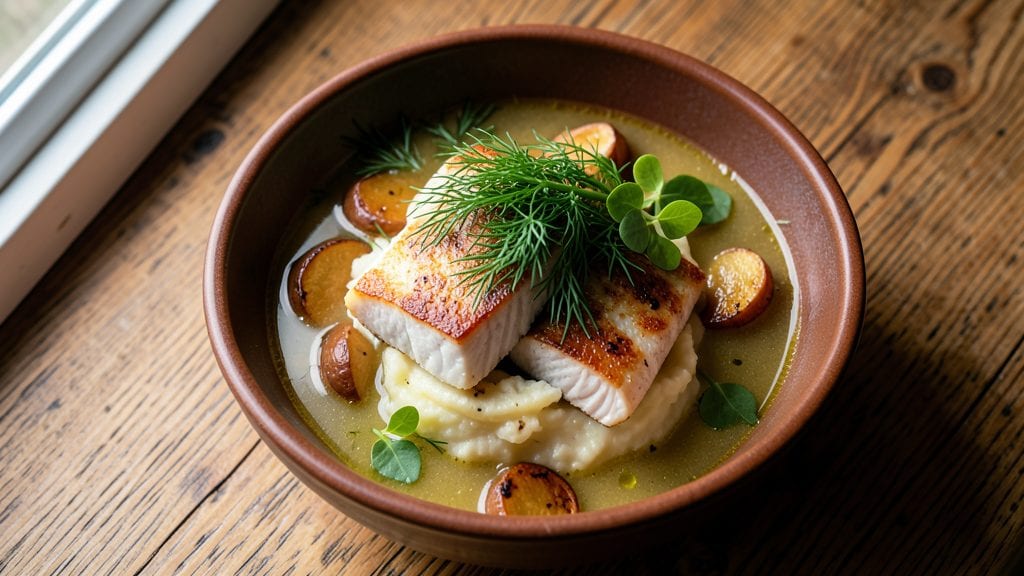
There’s something profoundly comforting about a bowl of Norwegian fish soup—light yet deeply flavorful, with delicate cod that melts in your mouth and aromatic herbs that transport you straight to the fjords.
This recipe captures the essence of traditional Norwegian cuisine, where simple ingredients like fresh dill, tangy sorrel, and buttery cod create a dish that’s both rustic and refined.
The secret to achieving that signature flaky texture in the cod lies in precise preparation: a quick sear followed by a gentle poach in broth infused with dill and lemon.
The soup itself is a harmonious blend of lightness and depth, with a touch of creaminess from potatoes and a subtle acidity from sorrel that brightens every spoonful. It’s the kind of dish that feels like a warm embrace on a chilly evening.
What makes this recipe special is its balance—rich enough to satisfy but light enough to cleanse the palate. The cod remains tender and delicate, while the broth carries layers of herbal complexity.
Served with crusty bread or a sprinkle of fresh parsley, it’s a complete meal that honors Norwegian tradition without sacrificing modern convenience.
This soup is perfect for a cozy dinner or a gathering with friends, especially when paired with a crisp white wine. The ingredients are simple, but the technique ensures authenticity—every bite will remind you of coastal Norway’s timeless flavors.
Ingredients for norwegian fish soup
Simple yet refined ingredients that capture Norway's coastal charm and delicate flavors.
| Ingredient | Amount | Notes |
|---|---|---|
| Fresh Cod Fillets 🐟 | 1 ½ lb | Skin-on, center-cut preferred |
| Russet Potatoes 🥔 | 1 ½ lb | Peeled, cut into 1-inch cubes |
| Fresh Dill 🌿 | ½ cup | Chopped, stems removed |
| Fresh Sorrel 🌱 | ¼ cup | Finely chopped, vibrant green |
| Extra-Virgin Olive Oil 🫒 | ½ cup | For searing cod fillets |
| Unsalted Butter 🧈 | 3 tbsp | European-style preferred |
| Shallots 🧅 | 3 whole | Minced, finely chopped |
| Garlic Cloves 🧄 | 4 cloves | Peeled, thinly sliced |
| Lemon Juice 🍋 | ¼ cup | Freshly squeezed |
| Fish Stock 💧 | 4 cups | Homemade or high-quality store-bought |
| Heavy Cream 🥛 | ½ cup | Full-fat for richness |
| Salt 🧂 | 1 ½ tsp | Diamond Crystal preferred |
| Freshly Ground Black Pepper 🌶️ | ½ tsp | Freshly cracked preferred |
| Crusty Bread 🍞 | 8 slices | For serving, crusty baguette |
| Fresh Parsley 🌿 | ⅛ cup | Chopped, for garnish |
The cod is the heart of this dish, so prioritize center-cut fillets with skin—they stay together beautifully during searing. Whole Foods Market or your local fishmonger are ideal for sourcing; ask for cod that's been previously frozen if fresh isn't available. The skin adds crucial texture, so don't peel it. For potatoes, Russets are perfect—they hold their shape while softening in the broth. Fresh dill and sorrel should be vibrant green with no wilting; these herbs are best purchased from specialty markets where they're handled carefully. The fish stock should be rich and clear, not murky or overly salty—homemade stock is ideal, but Knorr or Pacific brand are reliable store-bought options.
No fresh dill? Dried dill at one-third the amount works, though it lacks the fresh brightness. Substitute sorrel with a mix of lemon juice and spinach—the acidity mimics sorrel's tang. For cod, hadstock or pollock can replace cod if needed, though texture will differ slightly. The butter should be European-style if possible—it has higher fat content for better flavor. If you can't find shallots, green onions work in a pinch, though they're milder. The lemon juice can be substituted with white wine vinegar for a similar acidity, though the flavor profile will shift slightly. For a richer broth, consider adding a splash of aquavit, a traditional Scandinavian spirit.
Store the fish stock in the refrigerator for up to 5 days or freeze for 3 months in airtight containers. The cod should be cooked and consumed immediately for optimal texture. Fresh herbs like dill and parsley keep best in the refrigerator, wrapped in damp paper towels, for up to 5 days. The crusty bread can be toasted ahead of time and stored in a bread bag at room temperature for 2 days. For make-ahead convenience, prepare the soup without the cod, then poach the fish separately and add it just before serving to maintain its delicate texture. This dish reheats beautifully—simmer gently on the stove for 5-7 minutes to restore its warmth without overcooking the cod.
Why You'll Love This Recipe
- I swear by this trick: just rough-chop the potatoes into big chunks—no peeling, no fuss—and let them soften in the broth. The cod fillets take five minutes to poach, and the dill and sorrel? Toss them in whole if you’re lazy, then tear them by hand at the end.
- Minimal Chopping Required: I swear by this trick: just rough-chop the potatoes into big chunks—no peeling, no fuss—and let them soften in the broth. The cod fillets take five minutes to poach, and the dill and sorrel? Toss them in whole if you’re lazy, then tear them by hand at the end.
- Herb-Packed Punch: That sorrel—bright, tangy, almost like lemon—cuts through the richness of the cod while the dill adds a fresh, grassy finish. Honestly, the oil pulls all the flavors together like a hug, and the potatoes soak up just enough to make every bite satisfying.
- Weeknight to Potluck: Make a double batch on Sunday and reheat for lunches all week—it tastes just as good cold as hot. Bring it to a dinner party in a pretty bowl, and no one will guess it’s a 20-minute recipe. (Between us, I’ve served it at both and no one’s questioned my shortcuts.)
Step-by-step instructions for Norwegian fish soup
This method delivers restaurant-quality flakiness while balancing rich broth and bright herbs.
Sear the Cod Fillets for Maximum Flakiness
Pat the 1.5 lb fresh cod fillets completely dry with paper towels—this ensures a perfect sear. Heat 0.25 cup extra-virgin olive oil in a large skillet over medium-high heat until shimmering. Place the cod fillets skin-side down and cook undisturbed for 3-4 minutes until the skin turns deep golden brown and crispy.
Flip the fillets carefully and cook for another 2-3 minutes until the flesh becomes opaque and flakes easily at the edges. The reason for this step is simple: the high-heat sear locks in moisture while creating a delicate crust that prevents the fish from breaking apart during serving. Transfer the cooked fillets to a plate and set aside temporarily.
Build the Herb-Infused Base
In the same skillet (no need to clean it—the fond adds depth), melt 3 tbsp unsalted butter over medium heat. Add the 3 minced shallots and cook for 3-4 minutes until softened and translucent. Stir in the 4 thinly sliced garlic cloves and cook for 30 seconds until fragrant—don't let them brown, or they'll turn bitter.
Add 0.25 cup finely chopped fresh sorrel and 0.5 cup chopped fresh dill, stirring for 1 minute to release their bright, herbal aromas. This combination is what gives Norwegian fish soup its signature freshness. Pour in 4 cups fish stock and bring to a gentle simmer, then add 1.5 tsp salt and 0.5 tsp freshly ground black pepper. The broth should taste seasoned but not overwhelmingly salty at this stage.
Cook the Potatoes Until Tender
Add the 1.5 lb peeled russet potatoes, cut into 1-inch cubes, to the simmering broth. The potatoes should be fully submerged—if not, add a splash of water. Return to a simmer and cook for 12-15 minutes until the potatoes are fork-tender but not falling apart. You want them to hold their shape while still being easily pierced with a knife.
Here's the thing—if the potatoes absorb too much liquid and the soup becomes too thick, add ½ cup water to maintain the proper consistency. The goal is a velvety broth that coats the back of a spoon without being gluey. Once tender, remove the potatoes with a slotted spoon and set aside with the cod fillets.
Finish with Cream and Acid for Balance
Reduce the heat to low and stir in the 0.5 cup heavy cream and 0.25 cup lemon juice. Simmer gently for 2-3 minutes—this is where the magic happens. The cream adds richness, while the lemon juice brightens the flavors and cuts through the fat. Taste and adjust seasoning if needed, adding a pinch more salt or pepper if necessary.
Return the potatoes and cod fillets to the pot, gently coating them in the sauce. Let everything heat through for 1-2 minutes—just enough to warm the fish without overcooking it. The cod should remain flaky and tender, not rubbery. Remove from heat immediately to preserve its texture.
Serve with Crusty Bread and Fresh Garnish
Ladle the soup into bowls, placing 2 slices crusty bread on the side for each serving. The bread should be fresh from the oven—its crispy crust contrasts beautifully with the silky soup. Garnish each serving with 1 tablespoon chopped fresh parsley, adding a pop of color and freshness that elevates the dish.
Serve immediately while the cod is still flaky and the broth is steaming hot. Each bite should deliver tender fish, creamy broth, and the bright herbal notes that define this Norwegian classic. The contrast between the crispy bread and the delicate soup makes every spoonful satisfying.
Pro Tips For Making Norwegian Fish Soup
- Sear the Cod First: Hit the cod fillets with a quick sear in olive oil—just 2 minutes per side—before adding liquid. I learned this the hard way: skipping it makes the fish turn rubbery when it hits the simmering broth. The crust adds texture and keeps the fillets from falling apart later.
- Cube Potatoes Evenly: No, "roughly chopped" isn’t good enough here. Aim for 1.5-inch cubes so they cook uniformly and don’t turn to mush. I used to eyeball it, but now I slice them first, then cut the stacks—saves time and frustration.
- Add Sorrel Last: Sorrel’s sharpness fades fast, so toss in the chopped leaves right before serving. If you add it early, the acid will overpower the broth and dull the dill’s brightness. Trust me, the last 5 minutes matter more than you’d think.
- Simmer, Don’t Boil: Keep the soup at a gentle bubble—tiny ripples, not a rolling boil—or the cod will shred and the potatoes will collapse. I used to crank the heat, but now I watch the surface: if it’s too active, lower the flame immediately. Patience here makes all the difference.
Serving suggestions for leftovers
Crusty Bread Pairings
Serve this soup with freshly baked crusty bread—I recommend a baguette or sourdough for maximum contrast. The bread’s crispy crust soaks up the delicate broth beautifully, while its chewy interior balances the soup’s lightness. For extra authenticity, brush slices with garlic-infused olive oil before serving. 🍞
Herb Garnishes
Brighten every bowl with fresh parsley or chives—just 1 tablespoon per serving adds a vibrant pop of color and freshness. For a Norwegian touch, sprinkle finely chopped dill on top, enhancing the soup’s signature herbal notes. Avoid overcrowding; a light garnish keeps the dish elegant.
White Wine Pairings
A crisp Norwegian aquavit or Pinot Grigio complements this soup perfectly. The wine’s acidity cuts through the richness of the cream, while its citrus notes mirror the lemon in the broth. For a non-alcoholic option, sparkling apple cider adds a refreshing contrast. 🍷
Side Salad Balance
Pair with a simple arugula salad tossed in lemon vinaigrette—the peppery greens contrast the soup’s creaminess. Keep it light: 4 cups arugula with 2 tablespoons olive oil and 1 tablespoon lemon juice. Avoid heavy dressings that overpower the delicate flavors.
Cheese Board Additions
For a heartier meal, serve with aged Gouda or brie—their nutty, creamy notes harmonize with the soup’s herbal brightness. A few slices of smoked salmon add a luxurious touch, echoing the dish’s Scandinavian roots. Serve cheese at room temperature for optimal texture.
Seasonal Vegetable Sides
In summer, add steamed asparagus or sautéed green beans—their crisp-tender texture contrasts the soup’s silkiness. In winter, roasted Brussels sprouts with honey glaze bring sweetness and depth. Keep portions small to avoid overwhelming the main dish. 🥦
Nutrition facts
Frequently asked questions
Can I substitute cod with another type of fish?
Yes, but texture may vary. Haddock or pollock work well as alternatives—they stay flaky when cooked properly. Avoid firm fish like salmon or tuna, as they won't achieve the same delicate melt-in-your-mouth quality. If substituting, reduce cooking time by 1 minute to prevent overcooking.
Why does the soup need to be served immediately?
The cod loses its delicate flakiness if left sitting in hot broth. The seared skin also becomes soggy when submerged for too long. For make-ahead convenience, prepare the broth and potatoes separately, then poach the cod just before serving—this preserves its perfect texture.
Can I make this soup without heavy cream?
Replace the 0.5 cup heavy cream with 0.5 cup coconut cream for a dairy-free option, or use 0.5 cup whole milk for a lighter version. The soup will still be creamy, though the richness will be slightly reduced. For extra depth, add 1 teaspoon aquavit to mimic the cream's complexity.
What's the best way to reheat leftovers?
Reheat only the broth and potatoes separately—never the cod. Gently warm the broth on the stove for 5-7 minutes (no boiling), then add the potatoes. Reheat the cod in a separate pan with a splash of water over low heat for 2 minutes max to maintain tenderness. Never microwave cod, as it turns rubbery.
Is sorrel easy to find, or can I substitute it?
Sorrel's tangy brightness is key, but you can substitute with a mix of lemon juice and spinach (1 tbsp lemon + 2 tbsp chopped spinach). For a closer match, use 1 tbsp white wine vinegar instead of lemon juice. If you can't find sorrel, omit it entirely—the dish will still be delicious, just slightly less complex.