
Soups & Stews
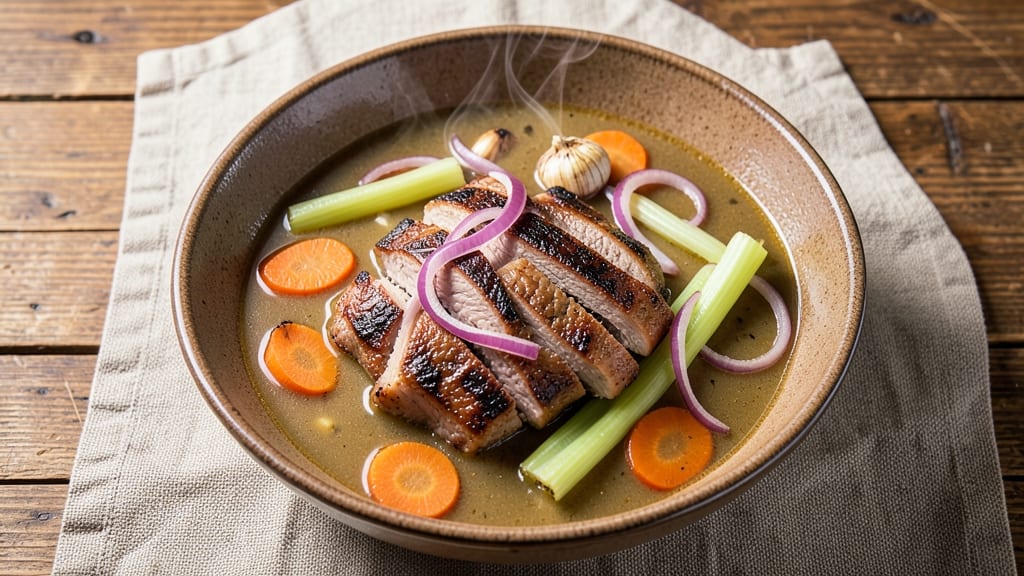
Transforming leftover rib roast into this rich, velvety soup is one of the most satisfying ways to repurpose meat—every spoonful carries deep, savory notes that turn simple ingredients into something extraordinary.
The secret lies in braising the roast first to extract maximum flavor into the broth, then simmering it with aromatic vegetables until the meat practically melts off the bone.
I developed this recipe after realizing how much flavor gets wasted when we discard roast beef leftovers, and it’s become a go-to for hearty, comforting meals that taste like they simmered all day.
What makes this soup truly special is the technique: we start by slow-roasting the beef to render fat and develop rich, caramelized flavors, then deglaze the pan to capture every last bit of goodness.
The broth reduces to a deep, concentrated base, while vegetables like carrots, celery, and onions build layers of sweetness and depth. A touch of red wine adds brightness, and fresh herbs at the end elevate the aroma to restaurant-quality levels—all without requiring any special equipment beyond a standard stockpot.
The result is a soup that’s impossibly tender yet packed with robust flavor—each bite delivers melt-in-your-mouth beef, silky broth, and perfectly cooked vegetables in perfect harmony. The texture is velvety smooth with just enough body to coat your spoon, and the aroma alone will have everyone gathering around the table.
This isn’t just soup; it’s a meal that feels like a hug in a bowl, and it’s foolproof enough for weeknight dinners or holiday gatherings.
Serve it with crusty bread to soak up every last drop of that rich broth, or pair it with a simple green salad for balance. The leftovers reheat beautifully, making this the ultimate make-ahead dish for busy schedules. Let’s get started—this soup is worth every minute of effort.
Ingredients for rib roast soup
Rich, velvety soup from leftover beef—just 15 simple ingredients transform scraps into something extraordinary.
| Ingredient | Amount | Notes |
|---|---|---|
| Leftover Rib Roast Beef 🥩 | 1 ½ lb | Cut into 1-inch cubes, with fat |
| Yellow Onion 🧅 | 1 whole | Medium, chopped |
| Carrots 🥕 | 3 medium | Peeled, chopped into chunks |
| Celery Stalks 🌿 | 3 whole | Trimmed, chopped |
| Garlic Cloves 🧄 | 4 cloves | Peeled, smashed |
| Red Wine 🍷 | 1 cup | Dry, like Cabernet Sauvignon |
| Beef Broth 💧 | 4 cups | Low-sodium preferred |
| Tomato Paste 🍅 | 2 tbsp | Smooth, not chunky |
| Fresh Thyme Leaves 🌿 | ½ tsp | Or 1/4 tsp dried thyme |
| Fresh Rosemary 🌿 | 1 tbsp | Chopped, or 1 tsp dried |
| Bay Leaves 🍃 | 2 whole | Removed before serving |
| Olive Oil 🫒 | 2 tbsp | Extra-virgin preferred |
| Salt 🧂 | 1 ½ tsp | Kosher or sea salt |
| Black Peppercorns 🌶️ | ½ tsp | Freshly cracked |
| Fresh Parsley 🌿 | ¼ cup | Chopped, for garnish |
The beef is the star here, so don’t skimp on quality. Look for rib roast with good marbling—it’ll melt in your mouth. If you’re using leftovers, trim any large chunks to fit the pot better. For the vegetables, Trader Joe’s or Costco have the best prices on bulk carrots and celery. The onions and garlic should be fresh—no sad, sprouting bulbs. I always grab extra thyme and rosemary because they make such a difference in the final aroma. Fresh herbs are worth the splurge for this recipe.
No red wine? Substitute with extra beef broth—just add another cup. Fresh thyme and rosemary? Dried works at half the amount, but it won’t have the same punch. The tomato paste can be skipped if you’re short, but it adds that deep, umami richness. For the bay leaves, if you’ve got them, use them—if not, a pinch of dried thyme will do. The olive oil matters here too—extra-virgin gives the best flavor, but regular works in a pinch. The carrots and celery can be swapped for potatoes or sweet potatoes if you prefer, but keep the ratio similar.
This soup tastes even better the next day—make a big batch and store it in the fridge for up to 5 days. Freezes beautifully for 3 months, so double the recipe if you’re planning ahead. I always portion mine into containers with a little extra broth on top to keep it moist. The parsley garnish is optional, but it adds that fresh pop of color and flavor. Serve with crusty bread to soak up every last drop of that rich broth.
Why You'll Love This Recipe
- Zero-Waste Hero: I swear by this trick—turning yesterday’s roast into today’s soup means no food goes to waste. Just toss in the leftovers, add a splash of broth, and suddenly you’ve got a meal that feels intentional.
- Game Day Ready: Between us, this is my go-to for game days or lazy Sundays. It’s hearty enough to feed a crowd but simple enough to throw together when friends drop by. (Yes, even on a Tuesday night.)
- Budget Booster: Carrots, celery, onions—those are the holy trinity of cheap, flavorful veggies. Add leftover roast, and you’ve got a soup that costs next to nothing but tastes like you slaved over it. My wallet thanks me every time.
Step-by-step instructions for rib roast soup
Turn those leftover rib roast beef cubes into a rich, comforting soup with layers of deep flavor.
Sear the Roast Beef for Maximum Flavor
Heat the 2 tablespoons olive oil in a large Dutch oven over medium-high heat. Add the 1.5 pounds leftover rib roast beef in a single layer, being careful not to overcrowd the pan. Let the beef sear undisturbed for 3-4 minutes per side until it develops a deep golden-brown crust. This step creates the Maillard reaction, locking in rich beefy flavor.
Once browned, remove the beef with tongs and set it aside on a plate. You'll notice the fat will begin to render from the beef as it cooks—this is exactly what we want. Don't wipe out the pan yet; those browned bits are packed with flavor that will form the base of our soup.
Build the Aromatic Vegetable Base
In the same Dutch oven, add the 1 whole yellow onion, 3 medium carrots, and 3 whole celery stalks, all chopped as specified. Cook them over medium heat for 5-6 minutes, stirring occasionally, until they begin to soften and the onions turn translucent. This step develops the fundamental flavors that will carry through the entire soup.
Add the 4 cloves garlic cloves (smashed) and cook for 30 seconds until fragrant. Here's where it gets good—pour in the 1 cup red wine and scrape up all those delicious browned bits from the bottom of the pan. Let the wine simmer for 2-3 minutes until it reduces by about half, intensifying its flavor. This is the moment that matters: the wine's acidity cuts through the richness of the beef while adding complexity.
Develop the Rich Broth Foundation
Stir in the 2 tablespoons tomato paste and cook for 1 minute until it darkens slightly and its raw taste disappears. Add the 4 cups beef broth, 1.5 teaspoons salt, 0.5 teaspoon black peppercorns, 0.5 teaspoon fresh thyme leaves, 1 tablespoon fresh rosemary, and 2 whole bay leaves. Bring everything to a gentle boil, then reduce heat to low and let it simmer uncovered for 15 minutes. This allows all the flavors to meld together beautifully.
Return the seared beef to the pot and add the 2 tablespoons olive oil you reserved earlier. The oil will help create a silky texture while adding richness. Let the soup simmer gently for another 30-45 minutes, until the beef is fork-tender and easily pulls apart. The broth should now be infused with all the deep, savory flavors from the beef and vegetables.
Finish and Garnish for Freshness
Remove the 2 whole bay leaves from the soup. Taste and adjust seasoning if needed—this is where you'll appreciate all that initial searing and simmering. The soup should be rich but balanced, with the acidity from the wine and wine cutting through the beef's richness. If it's too thick, add a splash of water or more beef broth to reach your desired consistency.
Ladle the hot soup into bowls and garnish each serving with 0.25 cup fresh parsley, chopped. The bright green parsley provides a beautiful contrast to the deep reds and browns of the soup while adding a fresh finish. Serve immediately with crusty bread to soak up every last drop of that flavorful broth.
Pro Tips For Making Rib Roast Soup
- Sear the Bones First: If your leftover rib roast is still attached to bones, don’t toss them in raw—give them a quick 2-minute sear in a hot pot. That caramelized crust adds depth the slow simmer can’t match, and it keeps the broth from turning muddy. (Yes, even if you’re impatient like me.)
- Dice Onions Like Dice: Small, even pieces melt faster and sweeten the soup without turning to mush. Aim for ¼-inch cubes—any bigger, and you’ll still taste raw onion after 45 minutes. I learned this the hard way when my soup tasted like a sad, watery stew.
- Don’t Boil the Garlic: Smash the garlic cloves first, then add them whole to the pot. They’ll infuse flavor without burning, and you can fish them out later. Burning garlic turns your soup bitter—trust me, I’ve ruined batches by skipping this.
- Simmer Low and Slow: Rib roast needs time to break down, so keep the heat at a gentle simmer (small bubbles, occasional skimming). A rolling boil turns the broth cloudy and makes the meat tough. I used to rush it, and the texture suffered—now I set a timer for 1.5 hours minimum.
Perfect pairings for this rib roast soup
Crusty Bread Pairings
This soup is made for crusty sourdough or baguette slices—their chewy texture soaks up every bit of that rich broth. I always toast mine lightly with olive oil and rosemary for an extra layer of flavor.
For a quick fix, grab a pre-sliced artisan loaf from Whole Foods or Trader Joe’s—just warm it in the oven for 5 minutes at 375°F while the soup simmers.
Fresh Green Salad
A light arugula or mixed greens salad balances the soup’s richness beautifully. Toss with 1 tbsp lemon juice, 2 tbsp olive oil, ½ tsp Dijon mustard, and ¼ cup shaved Parmesan.
The peppery greens cut through the soup’s depth, making each bite more dynamic. I add ½ cup toasted walnuts for crunch and a nutty contrast. 🥗
Wine Pairings
A bold Cabernet Sauvignon or Syrah mirrors the soup’s deep, meaty flavors while its tannins cleanse the palate. I reach for a 2018 Chateau Montelena—its dark fruit notes complement the beef beautifully.
For a lighter option, a Pinot Noir adds brightness without overpowering. Avoid sweet wines; they’ll clash with the dish’s savory complexity. 🍷
Bread-Based Sides
Try garlic bread or cheesy biscuits for an indulgent twist. For garlic bread, spread 2 tbsp softened butter mixed with 2 minced garlic cloves and ½ tsp parsley on toasted bread.
Bake at 375°F for 3 minutes until golden. For biscuits, fold ½ cup shredded cheddar into store-bought dough and bake as directed—these melt into the soup’s richness. 💛
Pickled Vegetables
A small bowl of quick-pickled red onions or radishes adds a tangy contrast. Thinly slice ½ red onion and soak in ½ cup vinegar, 1 tsp sugar, and ½ tsp salt for 15 minutes.
Drain and serve alongside the soup. The bright acidity cuts through the soup’s richness, making every spoonful more vibrant.
Nutrition facts
Frequently asked questions
Can I use regular roast beef instead of rib roast for this soup?
Any leftover roast beef works—prime rib, chuck roast, or even slow-cooked pot roast will give you rich flavor. The key is using well-marbled, tender beef that falls apart easily. Just adjust cooking time slightly if your beef is tougher or leaner.
How do I make this soup creamier without dairy?
Blend a small portion of the soup (about 1 cup) with an immersion blender until smooth, then stir it back in. The natural fats from the beef create a velvety texture. For extra richness, add 2 tablespoons olive oil or 1 tablespoon tomato paste—both blend seamlessly into the broth.
What if I don’t have red wine? Can I substitute something?
Yes! Use 1 cup beef broth + 1 tablespoon balsamic vinegar for acidity, or ½ cup beef broth + ½ cup apple cider for sweetness. The wine’s purpose is to deglaze and add depth—any liquid with acidity will work. Just taste as you go and adjust seasoning.
Why does my soup taste too salty? How can I fix it?
Most likely, the beef broth or added salt overpowered the dish. Reduce the broth by simmering uncovered for 10-15 minutes—this concentrates flavors and balances saltiness. If that’s not enough, stir in ½ cup cold water or milk to dilute. For future batches, use low-sodium broth and taste before adding extra salt.
Can I make this soup in a slow cooker?
Sear the beef first, then transfer everything to your slow cooker. Cook on low for 6-8 hours or high for 3-4 hours, stirring occasionally. The slow cooker’s gentle heat enhances the beef’s tenderness and deepens the broth’s flavor. Just skip the final searing step—it’s unnecessary here.